
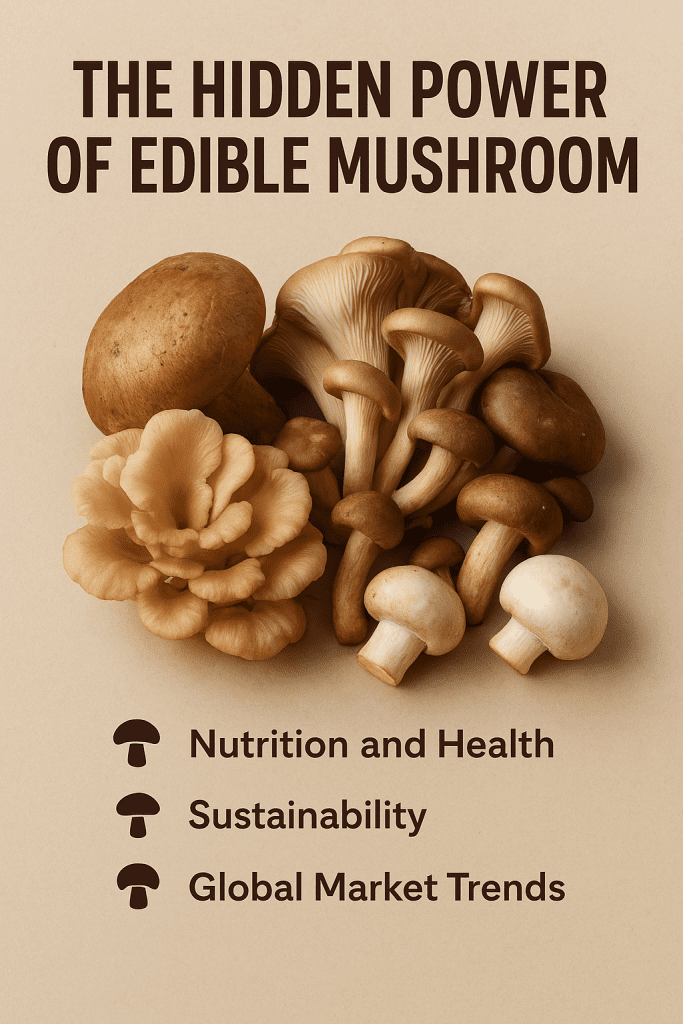
Exploring the Nutritional Value and Health Perks of Nutritious Edible Mushrooms
Introduction: For centuries, nutritious edible mushrooms have been celebrated in global cuisines and traditional medicine,
and modern science is now validating their status as a true superfood.
From the earthy portobello to the delicate shiitake, these fungal treasures offer a unique combination of flavor, texture,
and nutrition that elevates both everyday meals and gourmet dishes.
Nutritious edible mushrooms stand out for their ability to deliver key nutrients without excess calories,
making them a favorite among health-conscious eaters, vegetarians, and chefs alike.
Whether enjoyed fresh, dried, or powdered, nutritious edible mushrooms bring more than just taste to the table—they bring a wealth of health benefits that align with modern dietary needs.
The nutritional profile of nutritious edible mushrooms is nothing short of impressive.
Unlike most plant-based foods, they are one of the few natural sources of vitamin D when exposed to sunlight or UV radiation,
a nutrient critical for bone health and immune function.
They are also rich in B vitamins (including riboflavin and niacin),
which support energy metabolism and nervous system health, and minerals like selenium, potassium, and copper.
Additionally, nutritious edible mushrooms are high in dietary fiber,
promoting gut health by feeding beneficial gut bacteria, and low in fat and cholesterol, making them an ideal addition to weight-management diets.
Even more notably, they contain unique compounds like beta-glucans, which set them apart from other superfoods.
The health benefits of nutritious edible mushrooms are deeply tied to their bioactive compounds, with beta-glucans being the most well-researched.
These polysaccharides stimulate the immune system by activating white blood cells,
helping the body defend against infections and supporting long-term immune resilience.
Studies have also linked regular consumption of nutritious edible mushrooms to reduced inflammation,
a key factor in preventing chronic diseases such as heart disease, diabetes, and certain types of cancer.
Shiitake mushrooms, in particular, contain lentinan—a type of beta-glucan shown to enhance immune response—and eritadenine,
which may help lower cholesterol levels by inhibiting cholesterol synthesis in the liver.
Beyond immunity and chronic disease prevention, offer targeted benefits for gut and brain health.
Their fiber content and prebiotic properties nourish the gut microbiome,
improving digestion and reducing the risk of gut-related disorders like irritable bowel syndrome (IBS).
Some varieties, such as lion’s mane mushrooms, contain hericenones and erinacines,
compounds that may support brain health by promoting the production of nerve growth factor (NGF), a protein essential for maintaining and repairing brain cells.
This makes a promising food for supporting cognitive function as we age.
One of the greatest advantages of nutritious edible mushrooms is their culinary versatility.
They can be adapted to almost any cuisine—sliced into salads, sautéed as a side dish, stuffed with grains and vegetables, or blended into soups and sauces.
Portobello mushrooms make an excellent meat substitute in burgers and sandwiches, while shiitake and oyster mushrooms add depth to stir-fries and pasta
dishes. For those looking to boost nutrition without altering flavor, mushroom powder can be mixed into smoothies, oatmeal, or even baked goods.
When selecting nutritious edible mushrooms, opt for firm, unblemished specimens, and store them in a paper bag in the refrigerator to maintain freshness.
Cooking mushrooms thoroughly is recommended, as it breaks down chitin (a fibrous compound) and enhances the absorption of nutrients.
While are safe for most people, it’s important to note that wild mushrooms should only be consumed if identified by a trained expert, as some varieties are toxic.
Cultivated mushrooms—such as button, cremini, shiitake, and oyster—are widely available and safe to eat. Individuals with mushroom allergies should avoid
consumption, and those on blood-thinning medications may want to consult a healthcare provider before consuming large amounts of certain varieties like
shiitake, which contain small amounts of vitamin K. For the majority of people, however, incorporating a variety of nutritious edible mushrooms into a balanced
diet is a simple and delicious way to boost overall health.