
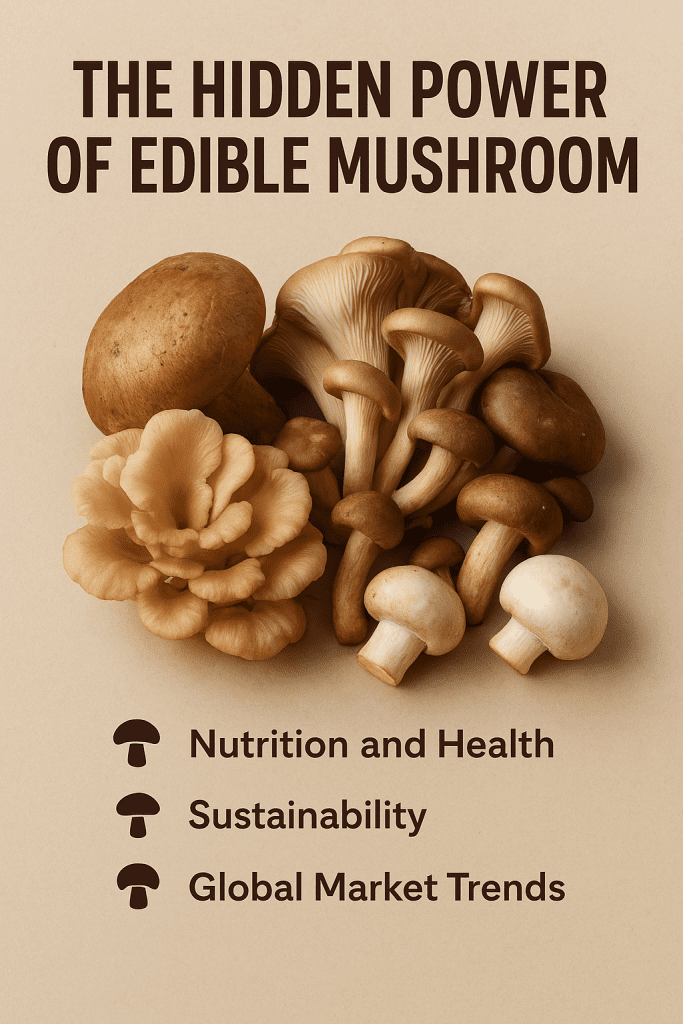
Subtitle: From Forest Floors to Dinner Plates: The Enduring Appeal of Edible Mushrooms
Introduction
Edible mushrooms have long held a unique place in human culture and cuisine, bridging the gap between nature’s bounty and culinary creativity.
For millennia, civilizations across the globe have harvested these fungal treasures from forest floors,
and today, they remain a staple in kitchens worldwide—celebrated not just for their diverse flavors and textures, but also for their impressive nutritional profile.
Unlike many plant-based foods, boast a rare combination of protein, fiber, vitamins, and minerals, earning them the title of “superfood” in modern nutrition.
From delicate button mushrooms to umami-rich shiitake, this group of ingredients continues to captivate chefs,
nutritionists, and home cooks alike, proving that their appeal is as timeless as it is versatile.
A World of Variety: The Diverse Family of
One of the most remarkable traits of is their extraordinary diversity, with over 2,000 known species globally—each offering distinct characteristics that elevate dishes in unique ways.
The common button mushroom (Agaricus bisporus) is a kitchen workhorse。
with a mild, earthy flavor that complements everything from salads to stir-fries.
Its mature counterparts, cremini and portobello, develop deeper,
nuttier notes, with portobellos’ large caps serving as perfect meat substitutes in burgers or grilled dishes.
Asian cuisines have long cherished specialty like shiitake, maitake, and enoki.
Shiitake, with its rich umami taste, is a staple in soups and broths,
while maitake—known as the “hen of the woods”—has a feathery texture that shines in roasted or sautéed preparations. Enoki mushrooms, with their delicate, thread-like stems, add crunch to salads and hot pots.
Meanwhile, medicinal varieties like reishi and chaga, though less commonly eaten for flavor,
are valued for their wellness properties, often brewed into teas or added to supplements.
Nutritional Powerhouse: Why Stand Out
Beyond their culinary charm, are a nutritional standout, offering benefits that set them apart from other produce.
They are one of the few non-animal sources of vitamin D,
especially when exposed to sunlight or UV light during growth—a critical nutrient for bone health and immune function.
They also provide B vitamins (including riboflavin and niacin), selenium,
potassium, and beta-glucans, a type of fiber linked to reduced cholesterol and improved immune response.
For those following plant-based diets, are a valuable protein source,
with some varieties like oyster mushrooms containing up to 3 grams of protein per 100-gram serving.
Their high fiber content promotes digestive health,
while their low calorie and fat levels make them an ideal addition to weight-conscious meals.
Research has even linked regular consumption of certain to reduced inflammation and a lower risk of chronic diseases, further solidifying their status as a superfood.
Culinary Chameleons: in Global Cuisine
Edible mushrooms’ versatility shines in their ability to adapt to nearly any culinary tradition. In Italy, porcini mushrooms are paired with pasta or risotto, their earthy flavor enhancing creamy sauces.
In Mexico, huitlacoche—also known as corn smut, a type of edible fungus—adds a smoky, savory note to tacos and quesadillas.
In China, wood ear mushrooms are used in hot and sour soup, their chewy texture contrasting with tender vegetables.
Modern chefs have taken edible mushrooms to new heights, using them to create plant-based steaks, umami-rich powders, and even desserts.
Roasted mushroom steaks, made from thick portobello or king oyster caps, are a popular alternative to beef, while mushroom powder is used to boost flavor in everything from sauces to snacks.
This adaptability ensures that edible mushrooms remain relevant in ever-evolving culinary landscapes.
Conclusion
Edible mushrooms are far more than just a in dishes—they are a versatile, nutrient-packed ingredient with a rich history and a promising future.
Their diverse flavors and textures cater to every palate, while their nutritional benefits support overall health, making them a staple in kitchens around the world.
Whether harvested from wild forests or grown in sustainable farms, edible mushrooms continue to connect nature to our plates, proving that some of the best culinary treasures come from the earth’s fungal kingdom.
As more people discover their unique qualities, edible mushrooms are sure to remain a beloved and essential part of global cuisine for generations to come.