
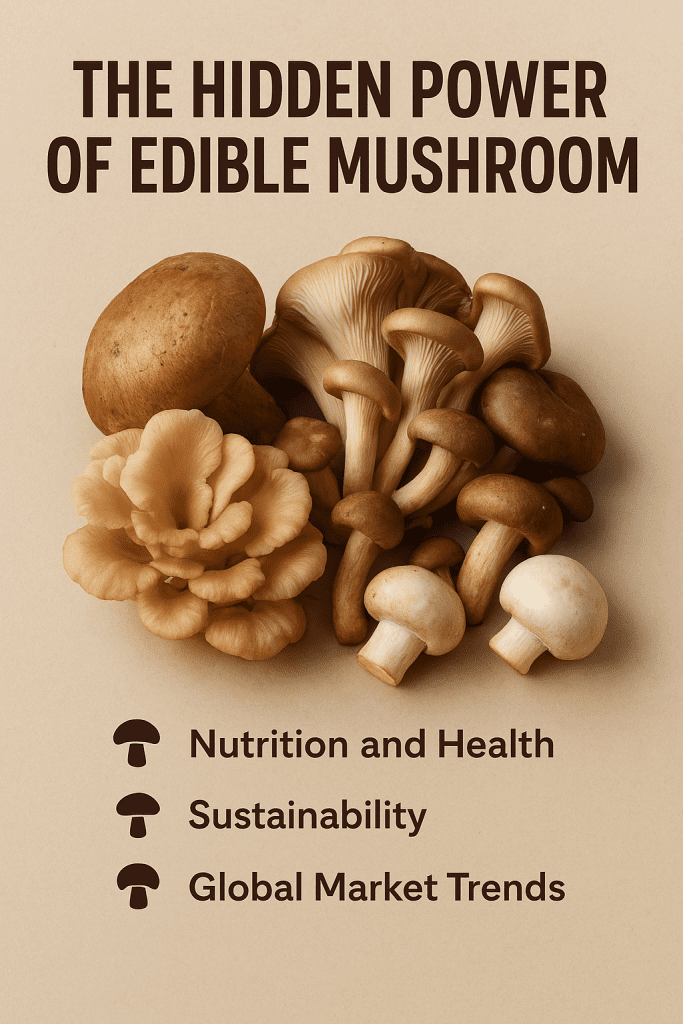
Edible mushrooms have emerged as one of nature’s most remarkable superfoods, offering an impressive array of nutritional benefits, unique flavors, and versatile culinary applications. From the common white button mushroom to exotic varieties like lion’s mane and shiitake, these fascinating fungi have captured the attention of health enthusiasts, gourmet chefs, and home gardeners alike.
What Are Edible Mushrooms?
Edible mushrooms are the fruiting bodies of specific fungal species that are safe and nutritious for human consumption. Unlike plants, mushrooms belong to their own biological kingdom—Fungi—and play crucial ecological roles as decomposers. The mushrooms we consume represent just a fraction of the over 2,000 classified mushroom species, with approximately 200 varieties considered edible and only a handful commercially cultivated.
Nutritional Powerhouse: Health Benefits of Edible Mushrooms
Modern research has revealed that edible mushrooms are nutritional powerhouses packed with essential nutrients and bioactive compounds. According to recent studies published in Frontiers in Nutrition (2025), mushrooms like Agaricus bisporus (white button), Pleurotus ostreatus (oyster), Lentinula edodes (shiitake), and Ganoderma lucidum (reishi) contain remarkable concentrations of β-glucans, phenolic acids, flavonoids, and essential amino acids.
Key Nutritional Benefits:
- Low in calories and fat while being high in protein content
- Rich in dietary fibers that support gut health and digestion
- Abundant in B vitamins, potassium, magnesium, and selenium
- Contains powerful antioxidants that combat oxidative stress
- Provides prebiotic properties that promote beneficial gut bacteria
Therapeutic Properties:
Research indicates that bioactive compounds found in edible mushrooms exhibit numerous therapeutic effects, including:
- Immunomodulatory properties that strengthen the immune system
- Anti-inflammatory effects that help reduce chronic inflammation
- Neuroprotective benefits, particularly from lion’s mane mushroom
- Antimicrobial and antiviral activities
- Potential anti-cancer properties
Popular Types of Edible Mushrooms
1. White Button Mushroom (Agaricus bisporus)
The most widely consumed mushroom globally, perfect for stews, casseroles, and salads. These versatile fungi offer a mild flavor and firm texture that works well in countless dishes.
2. Shiitake Mushroom (Lentinula edodes)
Native to East Asia, shiitake mushrooms boast a distinctive oaky flavor and meaty texture. They’re excellent in oriental broths, noodle dishes, and stir-fries while providing impressive medicinal properties.
3. Oyster Mushroom (Pleurotus ostreatus)
Characterized by their oyster-shell shape and subtly sweet flavor, these mushrooms are perfect for pasta dishes and stir-fries. They’re also one of the easiest varieties to cultivate at home.
4. Lion’s Mane Mushroom (Hericium erinaceus)
This unique mushroom, resembling a lion’s mane, has gained popularity for its potential cognitive benefits. Rich in polysaccharides, beta-glucans, and triterpenes, lion’s mane may support brain health, nerve regeneration, and digestive function.
5. Portobello Mushroom
These large, meaty mushrooms are ideal for stuffing, grilling, or using as vegetarian burger alternatives. Their robust texture and rich flavor make them perfect for hearty dishes.
6. King Oyster Mushroom
Featuring a thick, meaty stem that can be sliced and cooked like meat, this variety is excellent for grilling, roasting, or sautéing.
Growing Edible Mushrooms at Home
The trend of cultivating edible mushrooms at home has exploded in popularity, driven by sustainability concerns and the desire for fresh, organic produce. According to recent market research, the mushroom cultivation technology market is projected to grow at a CAGR of 3.8% from 2024 to 2033.
Indoor Cultivation Methods:
Mushroom Grow Kits: Perfect for beginners, these kits provide everything needed for successful home cultivation, including detailed instructions and pre-inoculated growing medium.
Bag Cultivation: Using sterilized bags filled with substrate materials like straw, coffee grounds, or sawdust, this method allows for controlled growing conditions.
Container Growing: Simple plastic containers with proper ventilation can serve as mini mushroom farms for varieties like oyster and shiitake mushrooms.
Outdoor Cultivation:
Log Cultivation: Growing mushrooms on logs mimics natural growing conditions and provides a sustainable, long-term food source. Shiitake, oyster, and lion’s mane mushrooms thrive using this method, producing harvests for several years with minimal maintenance.
Sustainable and Economical Benefits
Growing edible mushrooms offers numerous advantages beyond fresh produce:
- Sustainable practice: Utilizes agricultural waste products as growing medium
- Cost-effective: Minimal ongoing expenses after initial setup
- Space-efficient: Requires minimal space compared to traditional gardening
- Year-round production: Indoor cultivation provides consistent harvests regardless of season
- Educational value: Offers learning opportunities about fungal biology and sustainable food systems
Safety Considerations and Best Practices
While cultivating and consuming edible mushrooms offers tremendous benefits, proper identification and safety protocols are essential:
- Never consume wild mushrooms unless you’re 100% certain of identification
- Purchase from reputable suppliers when starting cultivation
- Maintain sterile conditions during the growing process
- Cook mushrooms thoroughly before consumption
- Start with small amounts when trying new varieties
Market Trends and Future Outlook
The global edible mushroom market continues to expand, driven by increasing health consciousness and demand for plant-based proteins. Recent developments include:
- AI-powered cultivation systems that optimize growing conditions
- Biodegradable packaging for mushroom products
- Medicinal mushroom concentrates targeting specific health benefits
- Vertical farming integration for urban mushroom production
Conclusion
Edible mushrooms represent an extraordinary intersection of nutrition, sustainability, and culinary delight. Whether you’re interested in their impressive health benefits, eager to start growing your own, or simply looking to expand your culinary horizons, these remarkable fungi offer something for everyone. From the humble button mushroom to the exotic lion’s mane, the world of edible mushrooms continues to reveal new possibilities for enhancing human health and environmental sustainability.
As research continues to uncover the therapeutic potential of mushroom-derived compounds and cultivation technologies become more accessible, we can expect edible mushrooms to play an increasingly important role in our diets and gardens. Start exploring this fascinating kingdom today, and discover why mushrooms are truly nature’s hidden treasure.