
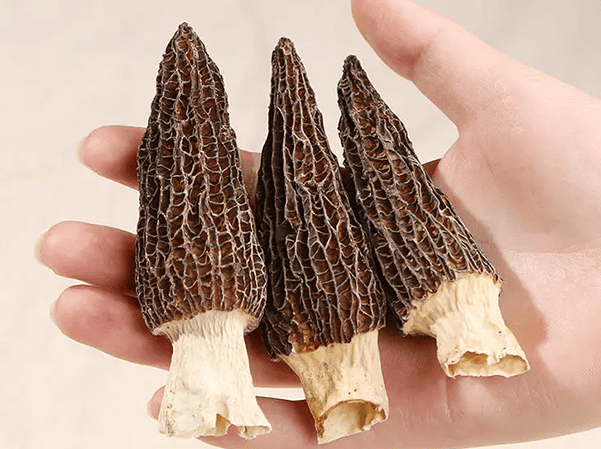
How Porcini Mushrooms Elevate Dishes and Support Wellness with Earthy Flavor and Nutrient Density
Introduction
In the realm of gourmet mushrooms, Porcini mushrooms stand as a beloved classic, revered by chefs and food enthusiasts worldwide for their distinctive
flavor, meaty texture, and versatility in the kitchen. Also known as Boletus edulis, Porcini mushrooms grow in temperate forests across Europe, Asia, and North
America, thriving in symbiosis with tree roots—particularly oak, beech, and pine. For centuries, these wild mushrooms have been a staple in traditional cuisines
, from Italian risottos and French stews to Japanese broths and Eastern European roasts. Beyond their culinary appeal, Porcini mushrooms are a nutritional
powerhouse, packed with vitamins, minerals, and antioxidants that support overall health. Whether you’re a home cook looking to elevate everyday meals or a
food lover exploring new ingredients, Porcini mushrooms offer a unique combination of taste and nutrition that makes them a must-have in any pantry. This
article delves into the culinary magic, nutritional benefits, and practical tips for cooking with Porcini mushrooms.
The Culinary Appeal of Porcini Mushrooms: Flavor, Texture, and Versatility
What sets Porcini mushrooms apart is their unparalleled flavor profile—deep, nutty, and earthy, with hints of umami that add complexity to any dish.
Unlike some mushrooms that can be mild or watery, Porcini have a dense, meaty texture that holds up well to cooking, making them an excellent vegetarian
substitute for meat in recipes like burgers, stews, and pasta sauces. Dried Porcini mushrooms are especially prized for their concentrated flavor;
when rehydrated, they release a rich, aromatic liquid that can be used to enhance stocks, gravies, and sauces. Fresh Porcini, while more delicate,
offer a brighter, more subtle earthiness that shines in simple preparations—sautéed with garlic and butter, tossed into salads, or grilled to perfection.
Their versatility extends to both savory and slightly sweet dishes: they pair beautifully with herbs like thyme, rosemary, and sage, as well as ingredients like
Parmesan cheese, white wine, lentils, and root vegetables. Whether used as a star ingredient or a flavor enhancer, Porcini mushrooms have the power to transform ordinary meals into gourmet experiences.
Nutritional Benefits of Porcini Mushrooms: More Than Just Flavor
Porcini mushrooms aren’t just a culinary delight—they’re also a nutrient-dense food that supports health in numerous ways.
They are an excellent source of B vitamins, including riboflavin (B2), niacin (B3), and pantothenic acid (B5), which play key roles in energy metabolism,
brain function, and skin health. Porcini are also rich in minerals like selenium, potassium, and copper: selenium supports immune function and thyroid health,
potassium regulates blood pressure and fluid balance, and copper aids in iron absorption and collagen production.
Additionally, Porcini mushrooms contain beta-glucans, a type of soluble fiber that has been linked to improved gut health and reduced cholesterol levels.
They are low in calories, fat, and carbohydrates, making them a great choice for those following low-carb or weight-conscious diets.
Unlike many mushrooms, Porcini are also a natural source of vitamin D when exposed to sunlight, which is essential for bone health and immune function.
With their combination of vitamins, minerals, and bioactive compounds, Porcini mushrooms offer a delicious way to boost your nutrient intake.
How to Cook with Porcini Mushrooms: Tips for Fresh and Dried Varieties
Cooking with Porcini mushrooms is simple, but a few tips can help you maximize their flavor and texture:
- Fresh Porcini: Clean them gently with a brush or damp cloth (avoid soaking, as they absorb water easily). Slice or chop them and sauté in olive oil or butter with garlic and herbs for 5-7 minutes until golden brown. Use in risottos, pastas, omelets, or as a topping for grilled meats and bread.
- Dried Porcini: Rehydrate by soaking in warm water for 20-30 minutes. Reserve the soaking liquid (strain to remove any grit) and use it in sauces, stocks, or soups for extra flavor. Dried Porcini work beautifully in slow-cooked dishes like stews, braises, and bean dishes, where their flavor can fully develop.
- Storage: Fresh Porcini should be used within 2-3 days of purchase; store them in a paper bag in the refrigerator to keep them dry. Dried Porcini can be stored in an airtight container in a cool, dark place for up to a year.
Foraging and Safety: Important Notes on Porcini Mushrooms
While foraging for wild Porcini mushrooms is a popular activity, it’s crucial to exercise caution. Porcini can be confused with toxic look-alikes, such as the bitter
bolete or the deadly gall bolete. Never consume wild mushrooms unless you are 100% certain of their identification—consult a knowledgeable forager or
mycologist if you’re unsure. For those who prefer not to forage, fresh and dried Porcini are widely available in specialty food stores, farmers’ markets, and online
retailers. When purchasing, look for fresh Porcini with firm caps and stems, free of mold or slime, and dried Porcini that are intact, fragrant, and free of debris.
Conclusion
Porcini mushrooms are a true treasure of the culinary world, offering a perfect blend of rich flavor, meaty texture, and nutritional value. Whether fresh or dried,
they have the ability to elevate a wide range of dishes, from simple weeknight meals to elaborate gourmet creations. Their impressive nutrient profile—packed
with B vitamins, minerals, and antioxidants—makes them a healthy addition to any diet, supporting energy, immunity, and overall wellness. Whether you’re a seasoned chef or a home cook exploring new ingredients, Porcini mushrooms are sure to become a staple in your kitchen. So why not embrace the earthy magic of Porcini and take your cooking to the next level?