
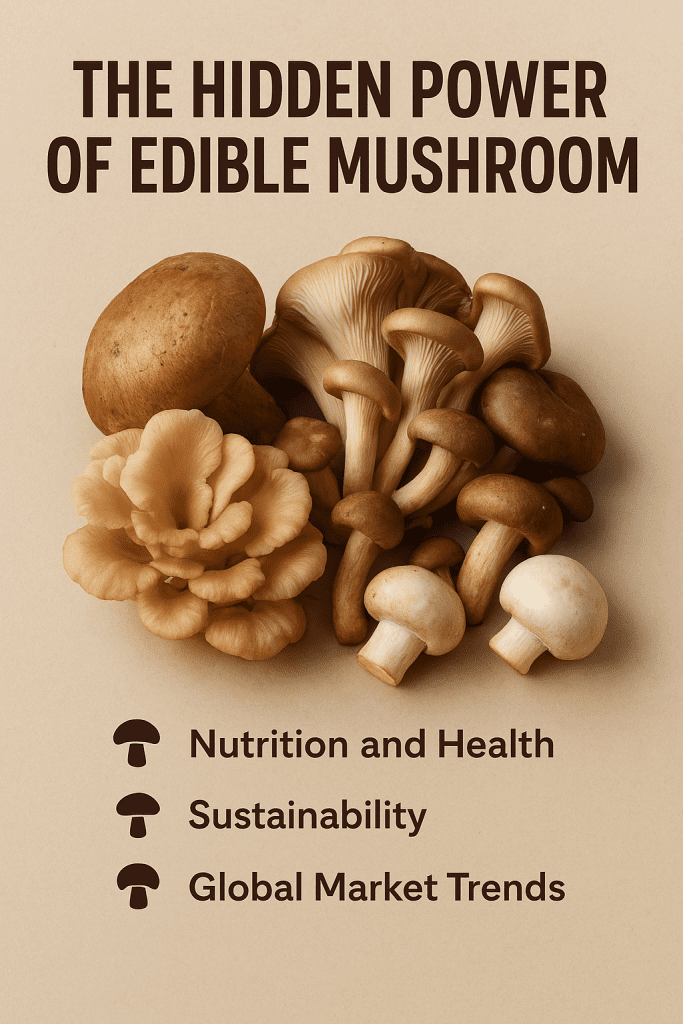
Exploring the Versatile World of Mushrooms: From Culinary Delights to Health-Boosting Superfoods
Introduction
Mushrooms, a diverse group of fungi found in forests, fields, and even cultivated farms worldwide, have long been celebrated for their unique flavor, culinary
versatility, and remarkable health benefits. From the earthy richness of shiitake to the delicate umami of oyster mushrooms, these organisms have transcended
cultural boundaries to become a staple in cuisines across the globe. Beyond their role as a gourmet ingredient, mushrooms are packed with essential nutrients,
antioxidants, and bioactive compounds that support immunity, heart health, and overall well-being. As more people embrace plant-forward diets and seek
natural ways to enhance their health, mushrooms stand out as a sustainable, nutrient-dense food that bridges the gap between flavor and nutrition. This article
explores the nutritional profile, culinary applications, and science-backed health benefits of mushrooms, highlighting why they deserve a permanent place in
your kitchen and diet.
Mushrooms
Mushrooms are a nutritional powerhouse, offering a unique combination of vitamins, minerals, and bioactive compounds that set them apart from other plant-
based foods. Unlike most vegetables, they are an excellent source of vitamin D when exposed to sunlight or ultraviolet light during cultivation — a nutrient
critical for bone health, immune function, and mood regulation. They also contain high levels of B vitamins, including riboflavin (B2), niacin (B3), and
pantothenic acid (B5), which play key roles in energy metabolism, brain function, and skin health. Additionally, are rich in selenium, a mineral with
antioxidant properties that helps protect cells from damage, and potassium, which supports healthy blood pressure and heart function.
What makes mushrooms even more remarkable is their low-calorie, low-carb profile, making them an ideal addition to weight management diets. Most varieties
contain fewer than 30 calories per cup and are high in dietary fiber, which promotes satiety and aids in digestion. Unlike many plant-based foods,
are also a source of complete protein (containing all nine essential amino acids) in smaller amounts, making them a valuable complement to vegetarian and
vegan diets when paired with other protein sources like grains or legumes.
Beyond nutrition, are celebrated for their distinct umami flavor — the fifth basic taste, often described as savory, meaty, or brothy.
This unique flavor comes from glutamate, an amino acid naturally present in, which enhances the taste of other ingredients and makes a popular meat
substitute in plant-based dishes. From stir-fries and soups to pizzas and salads, add depth and richness to a wide range of recipes.
Shiitake , with their meaty texture, are perfect for grilling or sautéing; oyster , with their delicate, fan-like shape, work well in pastas and
risottos; and portobello, large and hearty, can be stuffed, grilled, or used as a burger patty alternative.
Even common white button , with their mild flavor, are versatile enough to be added to everything from omelets to casseroles.
The health benefits of extend far beyond basic nutrition, thanks to their abundance of bioactive compounds like beta-glucans, ergothioneine, and
polysaccharides. Beta-glucans, found in the cell walls of , have been shown to boost the immune system by stimulating the activity of white blood
cells, helping the body fight off infections and reduce inflammation. Ergothioneine, a powerful antioxidant, protects cells from oxidative stress and may reduce
the risk of chronic diseases like cancer and heart disease. Studies have also linked mushroom consumption to improved gut health, as their fiber and prebiotic
properties feed the beneficial bacteria in the gut, supporting digestion and overall metabolic health.
Mushrooms are also a sustainable food choice, requiring fewer resources than traditional livestock or many crops.
They can be cultivated on organic waste materials like straw, wood chips, or agricultural byproducts, reducing environmental impact and promoting circular agriculture. Unlike plants, do not
require sunlight to grow, making them suitable for indoor cultivation in urban areas, further minimizing their carbon footprint. This sustainability factor,
combined with their nutritional and culinary benefits, makes an ideal food for environmentally conscious consumers.
It’s important to note that while most edible are safe and nutritious, some wild varieties are toxic and can cause serious illness or even death.
For this reason, it’s crucial to only consume that are purchased from reputable sources or identified by experienced foragers.
Cultivated, such as those found in supermarkets or farmers’ markets, are carefully grown and tested for safety, making them a reliable choice for
home cooking.
From their role as a culinary staple to their status as a health-boosting superfood, offer a wealth of benefits that make them a valuable addition to
any diet. Their unique flavor, nutritional density, and sustainability make them a versatile ingredient that can be enjoyed in countless ways, whether you’re a
home cook looking to elevate your meals or a health enthusiast seeking natural ways to support your well-being. As research continues to uncover the full
range of their health benefits, it’s clear that are more than just a fungi — they’re a gift from nature that nourishes both body and palate.