
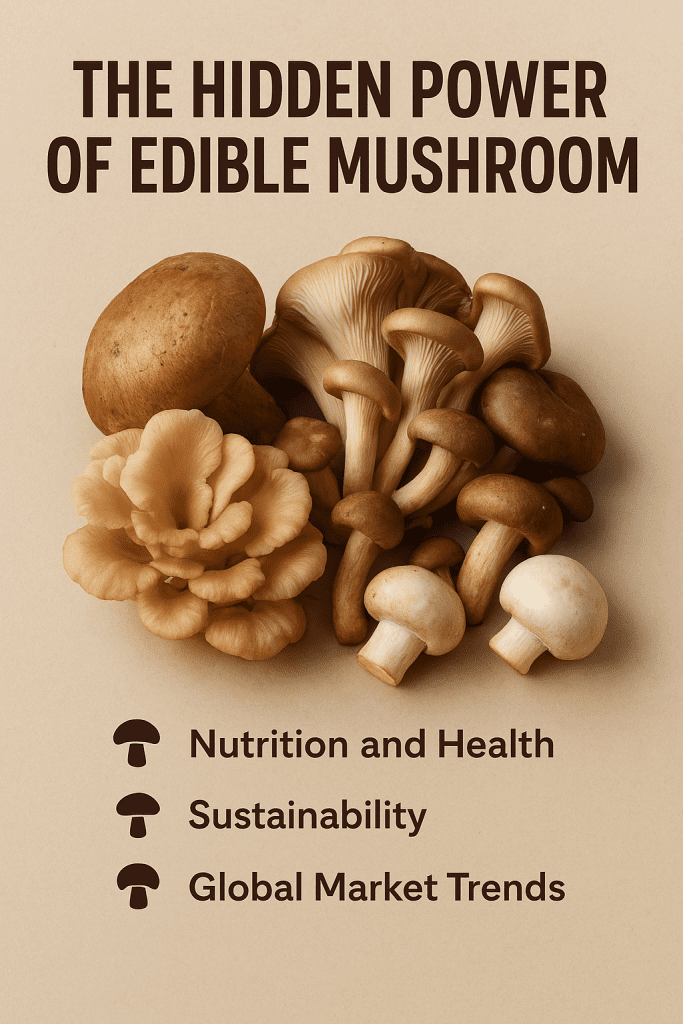
Exploring the World of Edible Fungi: From Forest Floors to Kitchen Tables
Edible fungi, a diverse group of organisms ranging from common button mushrooms to exotic truffles, have been a staple in human diets for millennia.
Valued across cultures for their unique flavors, textural variety, and impressive nutritional profiles, these fungi transcend mere culinary ingredients to emerge as
nutrient-dense powerhouses that support holistic health. Unlike plants, they lack chlorophyll and thrive in dark, moist environments—growing on decaying
organic matter, tree barks, or specialized substrates in cultivation facilities. Today, as plant-forward diets gain popularity and consumers seek natural wellness
solutions, edible fungi have secured their place as both gourmet delights and everyday nutritional allies. This article delves into the rich diversity of edible fungi,
their standout nutritional benefits, culinary versatility, cultivation practices, and essential safety guidelines.
The world of edible fungi boasts an astonishing range of species, each with distinct characteristics that cater to diverse culinary and nutritional needs.
The most widely consumed variety globally is the Agaricus bisporus, which includes white button, cremini, and portobello mushrooms—differentiated by
maturity, with portobellos being fully matured creminis, offering a meatier texture and deeper umami flavor.
Shiitake mushrooms, native to East Asia, are prized for their rich, earthy taste and robust texture, making them a favorite in stir-fries and broths;
they are also cultivated commercially worldwide, both on natural logs and synthetic substrates. Oyster mushrooms, with their delicate, fan-shaped caps and
mild, sweet flavor, are ideal for sautéing and pastas, while enoki mushrooms—slender and crisp—add a refreshing crunch to salads and hot pots.
Exotic varieties elevate gourmet cuisine: truffles, underground fungi that grow in symbiosis with tree roots, are renowned for their intense, aromatic flavor and
command premium prices—white truffles from Italy and black truffles from France being the most coveted. Morel mushrooms, with their honeycomb-like caps
and nutty taste, are seasonal wild treasures sought after by foragers, while chanterelles, with their golden hue and fruity aroma, are a summer and autumn
delicacy. Beyond these well-known types, regional specialties like lion’s mane (with a seafood-like texture) and maitake (known for its ruffled caps and earthy
flavor) are gaining popularity for their unique textures and purported health benefits.
Edible fungi stand out in the nutritional landscape for their exceptional blend of vitamins
minerals, and bioactive compounds. Unlike most plant-based foods,
they are a natural source of vitamin D when exposed to ultraviolet (UV) light during growth or post-harvest—critical for bone health, immune function, and mood
regulation. They are also rich in B vitamins, including riboflavin (B2) for energy metabolism, niacin (B3) for skin health, and pantothenic acid (B5) for hormone
production. Minerals like selenium (a potent antioxidant that protects cells from damage), potassium (which supports healthy blood pressure), and copper
(essential for iron absorption) are abundant in most edible fungi varieties.
What makes edible fungi particularly valuable is their low-calorie, high-fiber profile—most varieties contain fewer than 30 calories per cup and are rich in dietary fiber that promotes satiety and gut health.
They also offer a source of complete protein (containing all nine essential amino acids) in moderate amounts, making them an excellent complement to
vegetarian and vegan diets when paired with grains or legumes. Additionally, edible fungi are cholesterol-free and low in saturated fat, aligning with heart-
healthy dietary guidelines.
The health benefits of edible fungi extend beyond basic nutrition, thanks to bioactive compounds unique to fungal species. Beta-glucans, polysaccharides
found in the cell walls of many edible fungi (such as shiitake and maitake), have been extensively studied for their immune-boosting properties—they stimulate
the activity of white blood cells, enhancing the body’s ability to fight infections and reduce chronic inflammation. Ergothioneine, a rare antioxidant found in high
concentrations in edible fungi, protects cells from oxidative stress and may lower the risk of chronic diseases like cancer and neurodegenerative disorders.
Some varieties, such as reishi (often consumed as a supplement), are also associated with stress reduction and improved sleep quality, though more clinical research is needed to validate these effects.
Culinary versatility is another hallmark of edible fungi, as they adapt to a wide range of cooking methods and flavor profiles. Their ability to absorb and enhance
the flavors of other ingredients—from herbs and spices to sauces and broths—makes them indispensable in both savory and, surprisingly, some sweet dishes.
Sautéing mushrooms with garlic and butter unlocks their umami depth, while roasting intensifies their earthy notes.
Dried mushrooms, such as shiitake and porcini, concentrate their flavor and are ideal for making rich stocks and sauces. Edible fungi also shine as meat
substitutes: portobello mushrooms make hearty burger patties, while textured oyster mushroom “steaks” cater to plant-based diners seeking savory
alternatives.
The cultivation of edible fungi has evolved significantly to meet global demand, moving beyond traditional wild foraging to sophisticated commercial
operations. Most common varieties (button, shiitake, oyster) are grown in controlled environments—greenhouses or indoor facilities—using pasteurized
substrates like straw, sawdust, or agricultural byproducts (such as corn cobs or cottonseed hulls). This controlled cultivation ensures consistency in quality,
reduces reliance on wild populations, and minimizes the risk of contamination. Foraging for wild edible fungi, while a beloved tradition in many regions, requires
expert knowledge—numerous toxic mushroom species closely resemble edible ones, and misidentification can lead to severe illness or death. Aspiring
foragers should always consult certified experts or join guided foraging tours to ensure safety.
Proper handling and preparation of edible fungi are key to maximizing their flavor and safety.
Fresh mushrooms should be stored in a paper bag in the
refrigerator to maintain moisture balance (plastic bags trap moisture and accelerate spoilage) and consumed within a few days. Most varieties benefit from
gentle cleaning—brushing off dirt with a soft brush or wiping with a damp cloth, as soaking can make them waterlogged and dilute their flavor. Cooking is
essential for many edible fungi: while some, like certain oyster varieties, can be eaten raw in small amounts, cooking breaks down tough cell walls, enhances
digestibility, and inactivates any potential harmful compounds.
In conclusion, edible fungi are far more than just a culinary curiosity—they are nutrient-dense, versatile, and sustainable ingredients that offer a wealth of
benefits for both body and palate. From the everyday convenience of button mushrooms to the gourmet allure of truffles, they cater to every taste and dietary
need, while their unique bioactive compounds support long-term health. As cultivation practices become more efficient and sustainable, and as research
uncovers new health benefits, edible fungi will continue to solidify their place as a cornerstone of balanced, flavorful diets worldwide. Whether enjoyed in a
simple stir-fry, a hearty soup, or a gourmet masterpiece, edible fungi remind us of nature’s ability to provide both nourishment and pleasure.