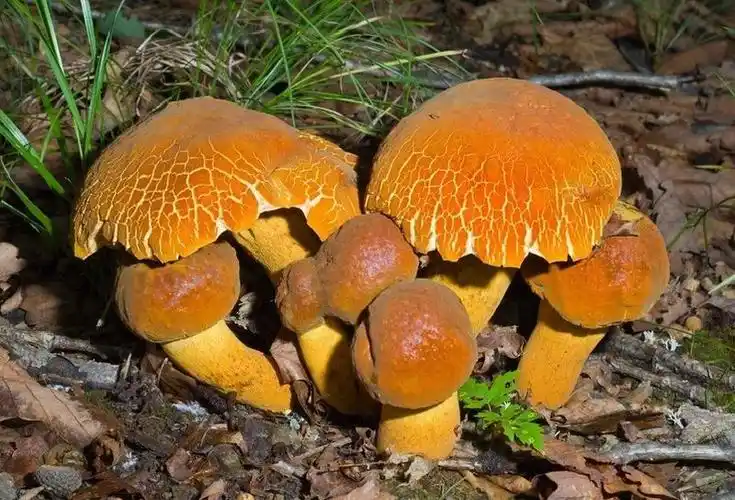
Often hailed as the “king of mushrooms,” the porcini mushroom (Boletus edulis) is a prized find in forests and a star in kitchens worldwide. Its rich, nutty flavor and meaty texture make it a favorite among chefs and food lovers. This guide explores its unique qualities, where it grows, and how to best enjoy it.
What Are Porcini Mushrooms?
Porcini, also known as cep, penny bun, or king bolete, are wild, edible fungi. They’re easily recognized by their large, brown cap and thick, white stem. Unlike some mushrooms, they have a spongy layer of pores under the cap instead of gills. This feature, along with their robust, earthy taste, sets them apart.
Where and When to Find Them
These mushrooms form a symbiotic relationship with trees like oaks, pines, and beeches. They’re commonly found in the forests of Europe, North America, and parts of Asia. The foraging season typically runs from late summer through autumn, depending on local climate and rainfall. Successful hunters know to look in moist, wooded areas after warm rains.
Culinary Uses and Health Benefits
In the kitchen, porcini are incredibly versatile. They can be sautéed, roasted, dried, or used to create rich stocks and sauces. Drying them actually concentrates their flavor, making them perfect for risottos and stews. Nutritionally, they are a good source of protein, fiber, and minerals like selenium and potassium.
Foraging Tips and Safety
If you forage, proper identification is crucial to avoid toxic look-alikes. Always consult a reliable field guide or expert. Harvest sustainably by cutting the stem, leaving the base intact. Remember to check local regulations, as some areas require permits.
Porcini mushrooms offer a unique taste of the wild. Their culinary value and the thrill of the hunt make them a true treasure. Whether you buy them at a market or find them yourself, they can elevate any meal.
Internal Link: Discover more gourmet ingredients in our guide to Truffle Varieties and Uses.
External Link: For expert mycological information and foraging courses, visit the North American Mycological Association.