
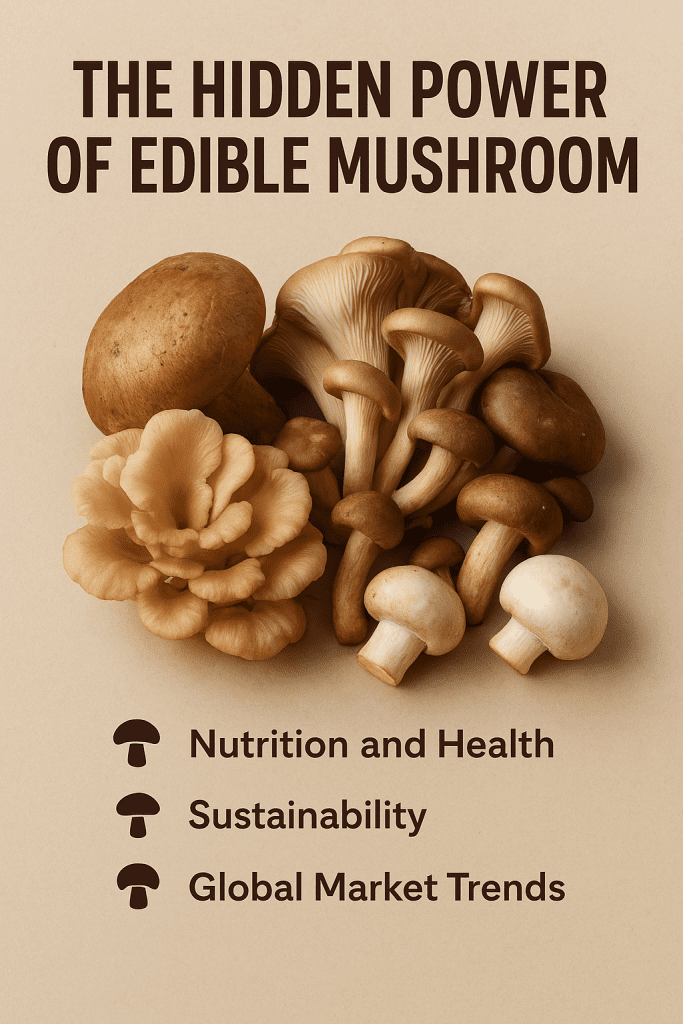
Introduction: Beyond Plants and Animals
Fungi represent one of life’s most diverse and mysterious kingdoms, occupying a unique biological space between plants and animals. From the microscopic yeast cells that leaven our bread to the vast underground networks that connect entire forests, these remarkable organisms play essential roles in Earth’s ecosystems. This article explores the incredible diversity, ecological importance, and practical applications of these fascinating life forms, revealing why they deserve our attention and appreciation.
What Are Fungi? Understanding Their Unique Biology
Unlike plants, fungi cannot produce their own food through photosynthesis. Unlike animals, they don’t ingest their nutrition. Instead, they absorb nutrients from their surroundings through a network of microscopic filaments called hyphae, which collectively form a mycelium. This root-like structure spreads through soil, wood, or other substrates, secreting enzymes that break down complex organic matter into simpler compounds that can be absorbed. The visible mushrooms we see are merely the fruiting bodies—the reproductive structures—of a much larger, mostly hidden organism living beneath the surface. Discover more about fungal biology in our guide to understanding mycelial networks.
Ecological Roles: Nature’s Essential Recyclers and Partners
Fungi serve as fundamental pillars in virtually all terrestrial ecosystems through several key functions:
- Decomposers: Many species are saprotrophic, breaking down dead plant and animal matter. They are Earth’s primary recyclers, releasing locked-up nutrients like carbon, nitrogen, and phosphorus back into the soil, making them available for new plant growth.
- Symbionts: Mycorrhizal fungi form mutually beneficial partnerships with the roots of most plants. The fungal network dramatically increases the plant’s water and nutrient absorption capabilities, while the plant supplies the fungus with sugars from photosynthesis. This ancient alliance is crucial for healthy forests and crops.
- Pathogens and Parasites: Some fungi are specialized to break down living organisms. While this can cause diseases in plants, animals, and even humans, it plays a critical role in controlling populations and maintaining ecological balance in nature.
A Spectrum of Forms: From the Humble to the Bizarre
The fungal kingdom exhibits astounding variety, far beyond the typical cap-and-stem mushroom.
- Macrofungi: This group includes the familiar mushrooms, as well as bracket fungi (which grow like shelves on trees), puffballs, coral fungi, and morels. They produce visible spore-bearing structures.
- Microfungi: This encompasses molds, yeasts, and mildews. While often microscopic individually, they can form visible colonies. They are vital in decomposition, food production (like cheese and soy sauce), and medicine (penicillin).
- Lichen: A unique composite organism formed from a symbiotic relationship between a fungus and an alga or cyanobacteria. Lichens are pioneers that can grow on bare rock and help form soil.
- Truffles: Highly prized subterranean fungi that form mycorrhizal relationships with tree roots. They are located using trained dogs or pigs due to their strong aroma. Learn about the culinary stars in our feature on hunting for truffles.
Human Interactions: From Medicine to Food to Culture
Our relationship with fungi is ancient and multifaceted.
- Food and Fermentation: Edible varieties like shiitake, portobello, and oyster mushrooms are cultivated worldwide. Yeasts are essential for making bread, beer, and wine. Molds are used to produce blue cheese, tempeh, and miso.
- Medicine: The antibiotic penicillin, derived from the Penicilliummold, revolutionized healthcare. Other species provide immunosuppressants for organ transplants and statins for cholesterol management. Modern research is exploring their potential in treating cancer and neurological diseases.
- Industry: Fungi produce enzymes used in detergents, paper manufacturing, and biofuels. Mycoremediation uses fungal mycelium to break down environmental pollutants like oil and pesticides.
- Cultural Significance: They appear in folklore, fairy tales, and religious rituals worldwide, often symbolizing mystery, transformation, or the ephemeral nature of life.
The Imperative of Fungal Conservation
Despite their importance, fungi are often overlooked in conservation efforts. Many species are threatened by habitat loss, pollution, climate change, and overharvesting. Protecting fungal diversity is crucial for maintaining healthy ecosystems, as the loss of key decomposer or mycorrhizal species can have cascading effects on plant and animal life. Supporting sustainable foraging practices, preserving old-growth forests, and funding mycological research are vital steps. For tips on ethical collection, read our article on sustainable mushroom foraging.
Getting Started with Mycological Appreciation
Interested in learning more? Safe and rewarding engagement with the fungal world begins with education.
- Observation: Start by simply noticing the different types in your local park or yard. Use a field guide or reputable app to help with identification, but never eat anything based on an app alone.
- Join a Club: Local mycological societies offer forays, workshops, and access to expert identifiers.
- Cultivation: Try growing your own oyster or shiitake mushrooms at home with a beginner-friendly kit.
- Prioritize Safety: The golden rule: Never consume a wild-harvested mushroom unless it has been positively identified by an expert. Many edible species have toxic look-alikes.
Conclusion: Embracing Our Fungal Allies
Fungi are not merely a curiosity at the edge of biology; they are central players in the web of life. They sustain our forests, nourish our bodies, heal our illnesses, and inspire our imaginations. By deepening our understanding and appreciation of this hidden kingdom, we can become better stewards of the intricate and interconnected ecosystems that depend on them—and that we depend on in turn.
Internal Links:
- Ready to identify your finds? Use our visual beginner’s guide to common mushroom groups.https://www.yezimushroom.com/
External Links: