
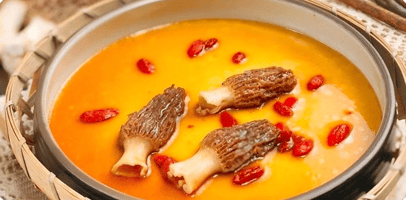
Introduction: What Are Edible Mushrooms?
Edible mushrooms, commonly referred to as mushrooms, are a general term for large fungi that are safe for human consumption. They are not only a culinary delight with unique flavors and umami taste but also a treasure trove of nutrition with dietary therapy value. From common varieties like Shiitake and Oyster mushrooms to precious ones like Matsutake and Morels, edible mushrooms have become an indispensable part of global cuisine and healthy eating.
The Astonishing Nutritional Value of Edible Mushrooms
Hailed as the “peak of plant-based foods,” edible mushrooms have a comprehensive nutritional profile:
- Protein & Amino Acids: They are rich in high-quality protein and contain all essential amino acids, making them an excellent protein source for vegetarians.
- Dietary Fiber: Abundant in dietary fibers like pectin and chitin, which promote intestinal motility, benefit gut health, and increase satiety.
- Vitamin Treasure Trove: An excellent source of B vitamins (like B2, B5, Folate). Some mushrooms (e.g., Shiitake) can produce significant amounts of Vitamin D when exposed to sunlight, aiding calcium absorption.
- Rich in Minerals: Packed with minerals such as potassium, phosphorus, magnesium, selenium, and zinc, which help maintain normal body metabolism and antioxidant defense.
Types of Common Edible Mushrooms and Their Unique Benefits
Different edible mushrooms have distinct flavors and health focuses:
- Shiitake: The “Queen of Mushrooms.” Rich in eritadenine, which helps lower cholesterol; its polysaccharides are proven to effectively boost immunity.
- Wood Ear Mushroom: The “Intestinal Scavenger.” Rich in colloids and dietary fiber, it can absorb and expel impurities from the intestines, helping cleanse the digestive tract. Its anticoagulant components are also beneficial for cardiovascular health.
- Enoki Mushroom: The “Intelligence Mushroom.” Rich in lysine and zinc, beneficial for children’s brain development and memory. The flammin contained in it also helps enhance immunity.
- King Oyster Mushroom: Known for its thick, firm flesh and abalone-like texture. Rich in oligosaccharides, it serves as a good prebiotic for gut probiotics, helping improve gut microbiota.
- Tremella (Snow Fungus): The “People’s Bird’s Nest.” Rich in Tremella polysaccharides and colloids, traditionally used to moisten the lungs and benefit skin health, promoting beauty and skincare.
Summary of Health Benefits of Edible Mushrooms
- Boosts Immunity: Various mushroom polysaccharides (e.g., lentinan from Shiitake, PSK from Coriolus versicolor) activate immune cells like macrophages and T-lymphocytes, recognized as natural immunomodulators.
- Protects Cardiovascular Health: The abundant dietary fiber, beta-glucans, etc., help lower cholesterol, regulate blood pressure, and maintain vascular health.
- Antioxidant & Anti-Aging: Selenium, Vitamin E, and polyphenols in mushrooms are powerful antioxidants that help scavenge free radicals and delay cellular aging.
- Benefits Gut Health: Their dietary fiber acts as prebiotics, promoting the growth of beneficial bacteria and maintaining a healthy gut environment.
How to Select and Store Edible Mushrooms?
- Selection:
- Choose mushrooms with plump, firm caps and natural color.
- The stems should be sturdy and not bend easily.
- They should have a natural, earthy smell, without any off-odors or sourness.
- Storage:
- Fresh mushrooms are best stored in a paper bag or wrapped in breathable film in the refrigerator and consumed promptly.
- Dried mushrooms should be sealed and stored in a cool, dry place to prevent moisture.
Important Safety Precautions
- Always Cook Thoroughly: All edible mushrooms must be cooked thoroughly to destroy potentially harmful compounds and enhance their flavor.
- Do Not Forage Wild Mushrooms: Unless you are an experienced expert, never pick and eat wild mushrooms to avoid accidental poisoning from toxic look-alikes.
- Allergy Consideration: Some individuals might be allergic to certain mushrooms; try a small amount when consuming for the first time.
Conclusion
Edible mushrooms are a gift from nature, combining delicious taste with substantial health benefits. With their unique flavors and solid nutritional foundation, they add infinite possibilities to our dining tables. Incorporating a variety of edible mushrooms into your daily diet is not only a treat for your taste buds but also a long-term investment in your health.
Internal Link:
- To explore more about healthy eating and natural ingredients, [click here to visit our Health & Nutrition Column].
External Link (Expert-Verified Source):
- For more authoritative scientific research on the nutrition and safety of edible mushrooms, you can refer to the USDA FoodData Central database or relevant documents on food safety from the World Health Organization (WHO).