
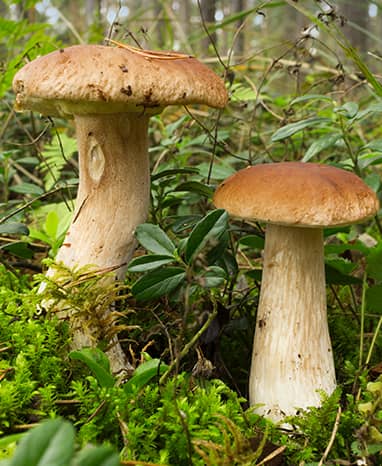
Edible mushrooms have become an essential part of modern diets, valued not only for their rich flavors but also for their impressive nutritional benefits and medicinal potential. As consumers shift toward healthier, plant-based foods, mushrooms have emerged as a natural superfood with broad culinary and commercial appeal.
What Makes Edible Mushrooms Unique?
Unlike typical vegetables, mushrooms belong to the fungi kingdom. They thrive on organic matter rather than photosynthesis, allowing them to develop unique bioactive compounds, including:
- Beta-glucans for immune support
- Ergothioneine and glutathione (powerful antioxidants)
- Vitamin D—especially when exposed to sunlight
- Complete proteins with essential amino acids
These components contribute to their growing popularity in nutrition, functional foods, and even skincare industries.
Popular Types of Edible Mushrooms
1. Shiitake (Lentinula edodes)
Known for its smoky aroma and chewy texture, shiitake is widely used in Asian cuisine. It contains lentinan, a compound studied for immune support and potential anti-tumor properties.
2. Oyster Mushroom (Pleurotus ostreatus)
One of the easiest mushrooms to cultivate, oyster mushrooms are rich in fiber and B vitamins. Their mild flavor makes them suitable for stir-fries, soups, and vegetarian dishes.
3. Porcini (Boletus edulis)
Beloved in European cuisine, porcini mushrooms offer a deep, nutty flavor. They are often used in pasta, risotto, and sauces due to their strong aromatic profile.
4. Enoki (Flammulina velutipes)
Long and delicate, enoki mushrooms are perfect for hotpot, salads, and noodle soups. They are low in calories and high in antioxidants.
5. White Button Mushroom (Agaricus bisporus)
The world’s most consumed mushroom. Affordable, versatile, and perfect for grilling, sautéing, or adding to daily dishes.
Health Benefits of Edible Mushrooms
1. Boosting the Immune System
Mushrooms contain beta-glucans, compounds that help activate immune cells and improve overall resistance to illness.
2. Supporting Heart Health
Many mushrooms help reduce cholesterol levels and support proper blood pressure management due to their fiber and potassium content.
3. Rich in Natural Antioxidants
Compounds like ergothioneine protect cells from oxidative damage, making mushrooms beneficial for healthy aging.
4. A Natural Source of Vitamin D
When exposed to UV light, mushrooms can produce vitamin D2—an important nutrient for bones and immunity, making them valuable for plant-based diets.
The Rising Global Demand for Edible Mushrooms
Over the last decade, demand for edible mushrooms has surged for several reasons:
- Growing interest in plant-based diets
- Increased research on functional foods
- Expansion of commercial cultivation technology
- Higher consumer awareness of natural health supplements
Countries like China, Poland, the Netherlands, and India have become leading producers, exporting mushrooms worldwide to meet rising market needs.
How Edible Mushrooms Are Cultivated
Mushroom farming is sustainable and requires less land, water, and energy compared to traditional agriculture. Basic production steps include:
- Preparing substrate (sawdust, straw, or compost)
- Sterilizing and inoculating with mushroom spawn
- Maintaining proper humidity and temperature
- Harvesting in multiple flushes
This low-impact method makes mushroom cultivation increasingly attractive to small-scale farmers and large agricultural companies.
Culinary Uses of Edible Mushrooms
Mushrooms offer exceptional versatility:
- Stir-fried with vegetables
- Added to soups and hotpots
- Blended into sauces and stews
- Grilled or roasted
- Used as a meat alternative in vegetarian dishes
Their natural umami flavor enhances both simple meals and fine-dining cuisine.
Conclusion
Edible mushrooms are more than just a culinary ingredient—they’re a powerhouse of nutrition, sustainability, and innovation. From immune support to rich umami flavors, mushrooms continue to transform global food culture and inspire new applications in health and industry.
As consumer demand grows, edible mushrooms will remain a vital part of the future food market, offering health benefits and delicious possibilities for people around the world.