
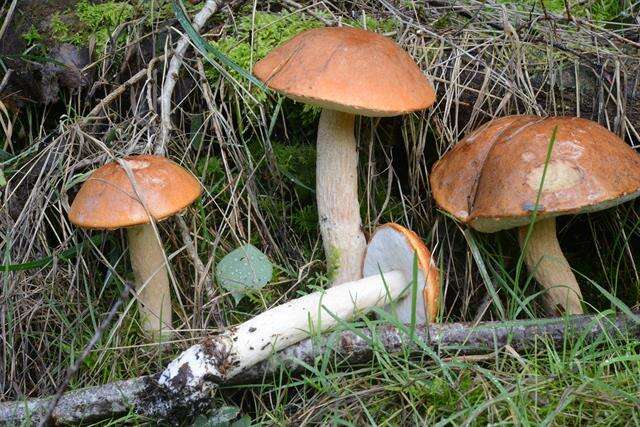
Beneath the forest canopy lies a hidden gem, prized by chefs and foragers alike.
This delicacy, known for its rich, nutty flavor, has captivated food lovers for centuries.
Revered in kitchens from rustic country homes to Michelin-starred restaurants, it transforms simple dishes into gourmet experiences.
Often found in moist woodlands across Europe and North America, this forest fungus forms a symbiotic relationship with tree roots.
Its season is eagerly awaited, typically arriving in late summer or early fall, depending on regional climates.
Foragers tread carefully, knowing that sustainable harvesting ensures future bounty.
The culinary applications are remarkably diverse. When fresh, its firm texture holds up beautifully in sautés, risottos, and creamy sauces.
Dried, it offers a more concentrated flavor, perfect for enriching broths and stews.
Proper cleaning is essential—a soft brush removes debris without compromising its delicate structure.
Beyond its taste, this ingredient boasts notable nutritional qualities.
It provides protein, fiber, and essential minerals, making it a valued component in various dietary traditions.
Its unique compounds are also the subject of ongoing research in food science and mycology.
For those new to cooking with this ingredient, starting with a simple sauté in butter with garlic and parsley is highly recommended.
The process unlocks its deep, earthy notes, creating a versatile addition to pasta, grilled meats, or even atop a toasted slice of crusty bread.
Whether sourced from a trusted market or gathered personally, it invites creativity in the kitchen.
In exploring forest ingredients, one might also appreciate the delicate flavor of chanterelles.
Discover more about sustainable foraging practices in our guide to wild mushrooms.
For further reading on fungal ecology, visit the Mycological Society’s website.