
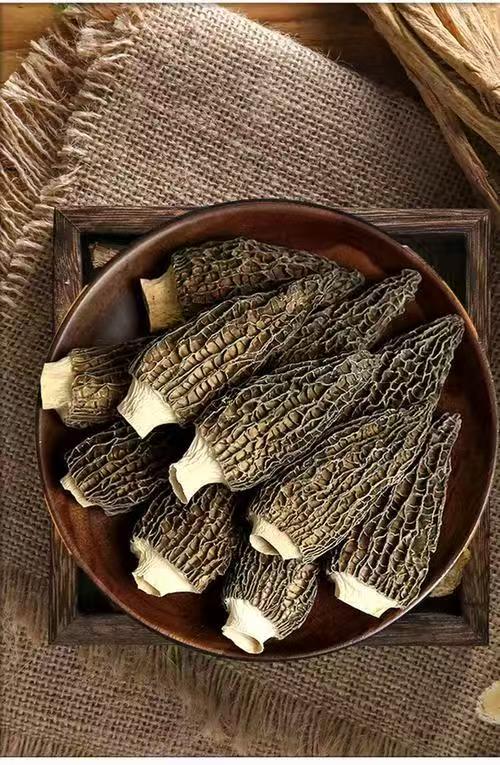
Ethical Foraging for Porcini
Forage porcini only in permitted areas.
Learn porcini’s distinct features to identify.
Leave young to mature fully.
Take no more than half of what’s found.
Use a knife to cut stems cleanly.
Avoid damaging surrounding forest vegetation.
Porcini thrives where trees and fungi coexist.
Document sightings for conservation data.
Reading Forest Clues for Porcini
Look near mature oak and beech trees.
Damp leaf litter hides young caps.
Morning dew highlights porcini’s rounded shape.
avoids sunny, exposed clearings.
Humid climates boost porcini’s growth rates.
Fallen branches often shelter clusters.
Learn local seasons for best results.
Foragers share tips to spot easily.
Preserving Foraged Treasures
Brush dirt off gently with soft brushes.
Avoid washing to retain natural flavors.
Dry slices in well-ventilated, dark spaces.
Store dried portions in airtight containers.
Freeze cooked batches for quick meals.
Infuse oils with dried pieces for depth.
Pickle small caps for tangy condiments.
Share excess with community or neighbors.
Forest Harmony Beyond Porcini
Mushrooms support tree health underground.
Foraging fosters respect for natural cycles.
Sustainable practices protect future harvests.
Forests rely on fungi for nutrient cycling.
Wildlife benefits from undisturbed habitats.
Foragers become stewards of forest ecosystems.
Balancing harvest and preservation is key.
Nature’s gifts thrive with careful tending.
Understanding Porcini’s Ecosystem Role
Fungi form networks linking plant roots.
These connections share water and nutrients.
Healthy forests need diverse fungal species.
Porcini contributes to soil fertility slowly.
Birds and insects depend on fungal habitats.
Deforestation disrupts porcini’s growth cycles.
Conservation groups map distribution.
Restoration projects help rebuild porcini habitats.