
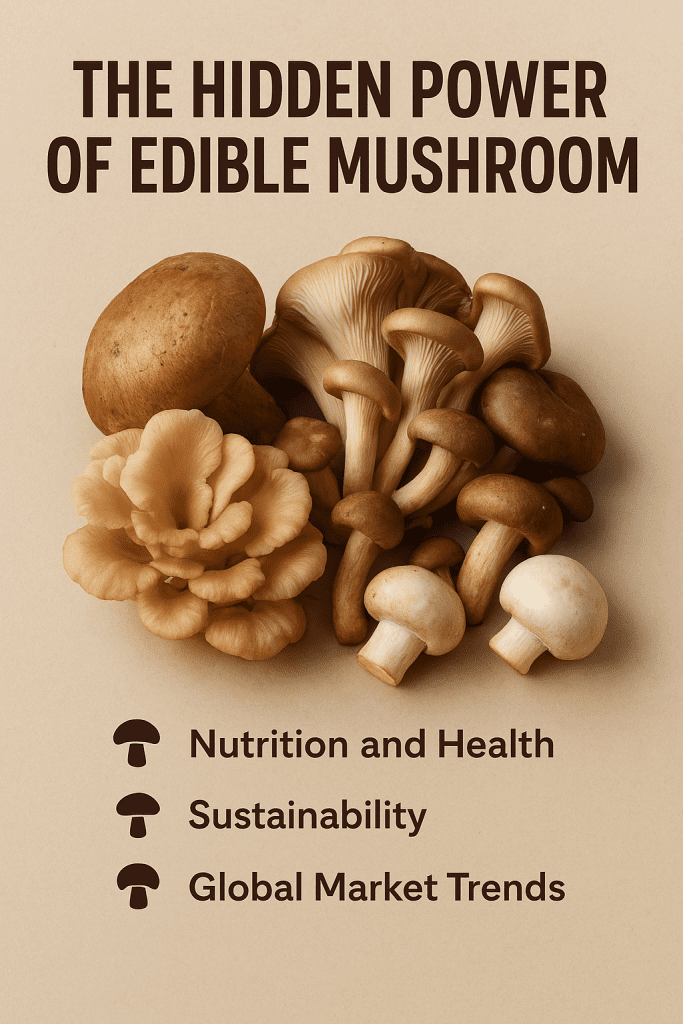
Edible Mushrooms: From Forest Floors to Culinary Favorites
Introduction: Edible Mushrooms, a diverse group of fungi with a history of human consumption dating back thousands of years, have long been celebrated for
their unique flavors, textures, and nutritional benefits. From the common button mushroom found in grocery stores to the prized porcini and shiitake of gourmet
cuisine, span a wide spectrum of tastes and uses. Revered in traditional medicine systems like Traditional Chinese Medicine and Ayurveda
for their health-enhancing properties, modern science has also validated many of their nutritional and medicinal attributes. Today, are a
staple in cuisines worldwide, valued not only for their culinary appeal but also for their role in plant-based diets and sustainable food systems. This article
explores the rich diversity of , their nutritional profile, culinary versatility, cultivation methods, and key safety considerations.
The world of is remarkably diverse, with over 2,000 known species globally—though only a fraction are commonly consumed or cultivated.
They can be broadly categorized into cultivated and wild varieties. Cultivated , such as button, cremini, portobello, shiitake, and oyster
mushrooms, dominate commercial markets due to their consistent quality and year-round availability. Button mushrooms, the most widely consumed variety,
have a mild, earthy flavor and firm texture, making them ideal for salads, stir-fries, and soups. Shiitake mushrooms, native to East Asia, offer a richer, umami
taste and are often used in broths and savory dishes. Wild , including porcini, chanterelle, morel, and truffle, are prized for their intense
flavors but require careful foraging due to the risk of toxic look-alikes.
Beyond their culinary appeal, Edible Mushrooms boast an impressive nutritional profile that sets them apart from many plant-based foods.
They are low in calories and fat, with most varieties containing just 20-30 calories per 100 grams.
are an excellent source of dietary fiber, which supports digestive health and helps regulate blood sugar levels.
They are also rich in essential vitamins and minerals, including B vitamins (riboflavin, niacin, and pantothenic acid) that aid in energy metabolism, selenium
which boosts immune function, and potassium that supports heart health. Notably, are one of the few natural plant-based sources of
vitamin D, especially when exposed to ultraviolet light during growth or after harvesting—a nutrient critical for bone health and immune regulation.
The culinary versatility of is unmatched, making them a favorite among home cooks and professional chefs alike.
Their ability to absorb flavors from other ingredients while contributing their own unique taste makes them adaptable to nearly any cuisine.
Fresh Edible Mushrooms can be sautéed, roasted, grilled, or boiled: oyster mushrooms add a delicate, seafood-like flavor to stir-fries, while portobello
mushrooms, with their meaty texture, serve as an excellent vegetarian substitute for burgers. Dried , such as shiitake and porcini, have
concentrated flavors that enhance soups, stews, and sauces—their rehydration liquid often used as a flavorful stock. Edible Mushrooms also shine in preserved
forms, including pickled mushrooms, mushroom jerky, and mushroom powder, which adds depth to seasonings and baked goods.
Cultivation of Edible Mushrooms has evolved significantly over the centuries, from traditional methods using natural substrates like logs
to modern industrial systems. Unlike many crops, Edible Mushrooms do not require soil to grow; instead, they thrive on organic substrates such as wood chips,
straw, sawdust, or compost. Shiitake mushrooms are traditionally grown on hardwood logs, a method that mimics their natural forest habitat and produces
richly flavored fungi. Industrial cultivation, however, often uses controlled environments—temperature, humidity, and light are carefully regulated to maximize
yield and quality. This controlled approach has made Edible Mushrooms more accessible and affordable, reducing reliance on wild foraging and ensuring
consistent supply. Additionally, mushroom cultivation is highly sustainable, as it can utilize agricultural byproducts (like corn cobs or wheat straw) as
substrates, reducing waste.
While Edible Mushrooms offer numerous benefits, safety remains a critical consideration—especially for wild varieties.
The primary risk is misidentification, as many toxic mushrooms closely resemble edible ones. For example, the deadly death cap mushroom (Amanita
phalloides) can be mistaken for young button mushrooms or paddy straw mushrooms. Aspiring wild foragers must undergo rigorous training, consult
experienced mycologists, or use reputable identification guides. Even cultivated Edible Mushrooms require proper handling: they should be cleaned gently
(brushed or wiped with a damp cloth, not soaked, to avoid waterlogging) and cooked thoroughly to break down chitin, a fibrous compound that can cause
digestive discomfort if consumed raw. Individuals with mushroom allergies, though rare, should also exercise caution, as reactions can range from mild itching
to severe anaphylaxis.
In recent years, Edible Mushrooms have gained increased attention for their potential health benefits beyond basic nutrition.
Research has highlighted their bioactive compounds, such as beta-glucans, which have been shown to support immune function by stimulating the production
of white blood cells. Some varieties, like reishi and cordyceps (though more commonly used in supplements than cooking), are studied for their adaptogenic
properties—helping the body cope with stress. Edible Mushrooms are also lauded for their role in sustainable diets: they require less land, water, and energy to
produce than animal proteins, making them an eco-friendly alternative for protein-rich meals.
In conclusion, Edible Mushrooms are a remarkable gift from nature—offering a perfect blend of flavor, nutrition, and sustainability. Their diverse range of
varieties ensures there is a mushroom to suit every palate, while their nutritional profile makes them a valuable addition to any diet. Whether enjoyed fresh in a
stir-fry, dried in a soup, or as a meat substitute, Edible Mushrooms continue to captivate food lovers and health enthusiasts alike. By understanding their
diversity, practicing safe consumption, and appreciating their culinary versatility, we can fully embrace the many joys of Edible Mushrooms.