
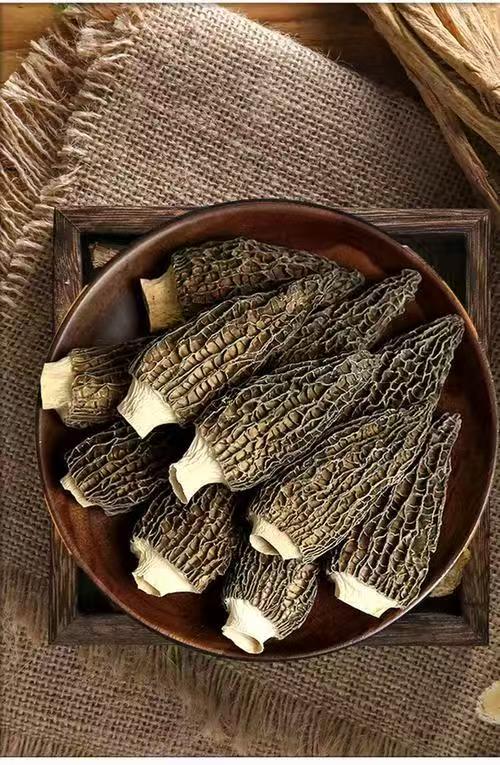
A Complete Guide to the Flavor, Safety, and Nutritional Value of Boletus Mushrooms
, commonly known as porcini or in Chinese, are among the most popular wild edible fungi in the world. Known for their thick caps, meaty texture, and distinct nutty aroma, are widely used in Asian and Western cuisine. This article provides a factual, SEO-optimized guide to their nutrition, benefits, uses, and important safety considerations.
1. What Are Boletus Mushrooms?
belong to the Boletaceae family, a group of fleshy fungi that grow naturally in forests, often forming symbiotic relationships with trees such as pines, birches, and oaks. Many edible Boletus species—such as Boletus edulis (porcini)—are highly valued for their unique flavor and dense texture.
In China, several edible varieties of Boletus are harvested from Yunnan, Sichuan, and Inner Mongolia, regions known for their rich forest ecosystems.
2. Nutritional Value of Boletus Mushrooms
Although specific nutritional content may vary between species, generally contain:
- High-quality protein
- Dietary fiber
- Vitamins B1, B2, and B3
- Minerals such as potassium, iron, phosphorus, and selenium
- Beneficial antioxidants
These characteristics make not only delicious but also a nutritious ingredient in a balanced diet.
3. Key Benefits of Boletus Mushrooms
✔ Rich, Distinct Flavor
One of the main reasons are prized is their intense umami flavor and aromatic profile. They add depth to soups, sauces, and meat dishes.
✔ Natural Source of Antioxidants
Boletus species contain natural antioxidant compounds that help reduce oxidative stress and support general wellness.
✔ High-Protein, Low-Fat Food
Their protein-to-fat ratio makes them popular among people seeking plant-based nutrition.
✔ Supports Digestive Health
The dietary fiber in may help support digestion and gut health.
Note: are not a cure for any medical condition; benefits vary among individuals.
4. How to Cook Boletus Mushrooms
are extremely versatile and widely used in cuisines around the world. Common cooking methods include:
- Sautéing with butter, garlic, or herbs
- Adding to soups, risottos, stews, and stir-fries
- Drying for long-term storage and rehydration
- Grinding into powder for seasoning or broth
Dried are especially popular because they intensify in flavor and can be stored for months.
5. Safety Tips When Eating Boletus Mushrooms
Like many wild mushrooms, Boletus species require careful selection:
✔ Avoid Bitter or Blue-Staining Varieties
Some turn blue when cut and may cause gastrointestinal discomfort. Bitter-tasting varieties are also not recommended.
✔ Do Not Eat Them Raw
should be fully cooked to ensure safety and digestibility.
✔ Buy From Reputable Sources
To avoid misidentification or contamination, purchase dried or fresh Boletus from trusted suppliers or markets.
✔ Wild Harvesting Should Be Done By Experts
Many toxic mushrooms resemble edible Boletus species. Only trained foragers should harvest them.
6. Why Boletus Mushrooms Are Popular Worldwide
From Italy’s porcini to China’s wild Yunnan Boletus, these mushrooms have gained international recognition for their:
- Rich aroma
- Versatile culinary applications
- Natural nutritional value
- Cultural significance in traditional dishes
Their popularity continues to grow as more consumers seek natural, flavorful, and nutrient-dense ingredients.
Conclusion
remain one of the most cherished wild fungi across cultures. With their robust flavor, solid nutrition, and diverse cooking uses, they are a valuable addition to both everyday meals and gourmet dishes. When sourced and cooked properly, offer an enjoyable and naturally wholesome food experience.