
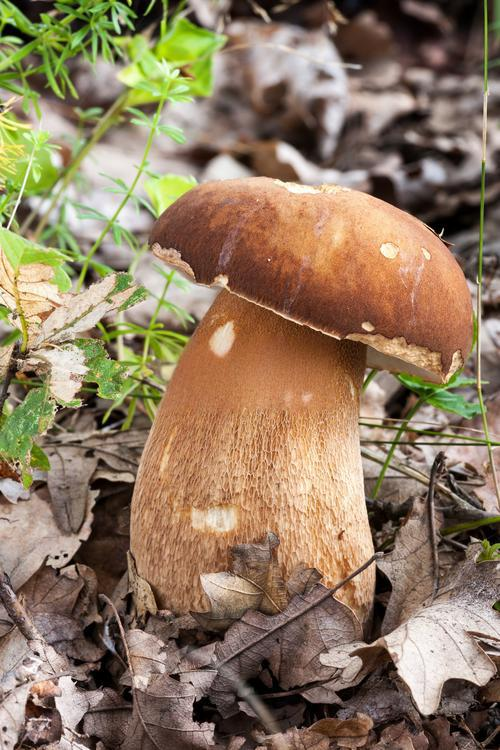
Deep within damp, mossy woodlands, a striking fungus pushes through the leaf litter. With its robust, pale stem and a cap that darkens with age, it has long been a target for gourmet cooks and nature enthusiasts. This species forms a symbiotic relationship with the roots of pines, spruces, and oaks, making it a true indicator of a healthy forest ecosystem.
How to Identify This Species in the Wild
Before heading out, understanding visual markers is critical. The cap typically starts bulbous and becomes flatter with maturity, ranging from reddish-brown to chestnut. Beneath it, instead of gills, you will find a spongy layer of vertical tubes. When pressed, this layer may change color—a key feature that separates it from less desirable look-alikes. Always avoid any specimen with a red-painted pore surface or intense bruising, as those traits belong to toxic relatives.
Where and When to Forage
These fungi prefer well-drained, acidic soils under mature trees. You are most likely to find them from mid-summer through early autumn, especially after a warm rain followed by humid days. Check southern slopes at lower elevations first, then move higher as the season progresses. Remember that sustainable harvesting is essential: carry a porous bag to allow spore dispersal, and never uproot the entire base—cut the stem cleanly with a knife to protect the underground network.
Handling and Storage Tips
Fresh specimens are highly perishable. Clean them with a soft brush or dry cloth; avoid water, which turns them slimy. Store in a paper bag inside the refrigerator for up to five days. For longer preservation, slicing and dehydrating works best. Dried pieces can be rehydrated in warm water, and the resulting liquid adds depth to broths and stews.
A Simple Preparation Method
This fungus shines in dishes where its nutty, earthy flavor can develop. Slice the caps thickly and sauté in butter over medium heat until edges turn golden. Avoid overcrowding the pan, or they will steam instead of sear. Finish with fresh parsley, garlic, and a squeeze of lemon. Serve on crusty bread or alongside roasted poultry.
Final Safety Note
Never consume any wild fungus unless you are 100% certain of its identity. If in doubt, consult a local mycological group or an experienced guide. Many poisonings occur from confusing this species with similar-looking, toxic types.
Internal link: Learn more about sustainable foraging practices here
External link: The North American Mycological Association’s safety guide