
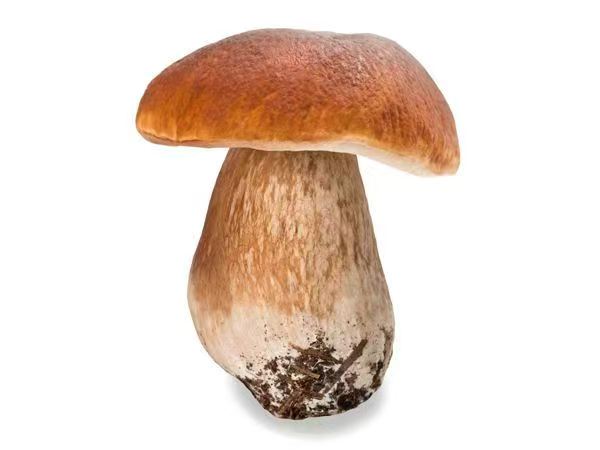
Known globally as porcini, cèpe, or king bolete, Boletus edulisis a culinary treasure hunted by chefs and foragers alike. Renowned for its rich, nutty flavor and meaty texture, this fungus is a cornerstone of gourmet cuisine. This guide details how to identify, source, and cook with this exceptional ingredient.
Identification & Key Features
Recognizing a true king bolete is straightforward once you know its distinct markers. Look for a large, brown cap (5–25 cm) that resembles a baked bun, which is smooth and slightly sticky when moist. Underneath, you’ll find a spongy layer of pores (not gills) that are white when young, turning yellow-green with age. The stout stem is bulbous, often with a fine white netting (reticulation) near the top. Critically, the firm white flesh shows no color change when cut or bruised, a key differentiator from toxic look-alikes.
Habitat & Foraging Season
This species forms a symbiotic relationship with trees, primarily conifers (pine, spruce) and hardwoods (oak, beech). It fruits from late summer through autumn, often appearing after rains. While widely distributed across the Northern Hemisphere, it is particularly abundant in the forests of Europe, North America, and China (especially Yunnan and Sichuan provinces). Foragers should note it grows on the ground, often hidden under leaf litter.
Culinary Uses & Preservation
The flavor of this mushroom is robust and earthy, intensifying when dried. It is exceptionally versatile:
- Fresh: Sauté in butter with garlic and thyme for a simple side.
- Dried: Ideal for reconstituting in broths, risottos, and pasta sauces.
- Preserved: Excellent for freezing or pickling.
Safety Note: Always cook this species thoroughly before consumption to avoid potential gastric upset. Only harvest if you are 100% certain of its identity, as bitter or toxic boletes exist.
Nutritional & Commercial Value
Beyond taste, it offers nutritional benefits, including protein, dietary fiber, and minerals like potassium and selenium. Its commercial harvest is a significant industry, with dried products exported worldwide. However, due to its mycorrhizal nature, large-scale cultivation remains challenging, keeping wild-harvested specimens in high demand.
The king bolete represents the pinnacle of wild foraging. Its unique combination of visual grandeur, culinary depth, and nutritional value makes it a perennial favorite for those who appreciate nature’s finest offerings.
Internal Link: Explore another prized find in our feature on Chanterelle Mushrooms: The Golden Delicacy.
External Resource: For detailed mycological data and species verification, visit the Mycological Society of America.