
Introduction
Porcini mushrooms, known scientifically as Boletus edulis, stand among the most sought-after edible fungi in global cuisine. Celebrated for their distinctive nutty taste and substantial, meat-like texture, these mushrooms form the cornerstone of numerous classic dishes, particularly within Italian and French culinary traditions. Thriving in the hardwood forests of the Northern Hemisphere, the arrival of porcini season is an annual event anticipated by chefs and foragers with great enthusiasm.
Identification and Key Features
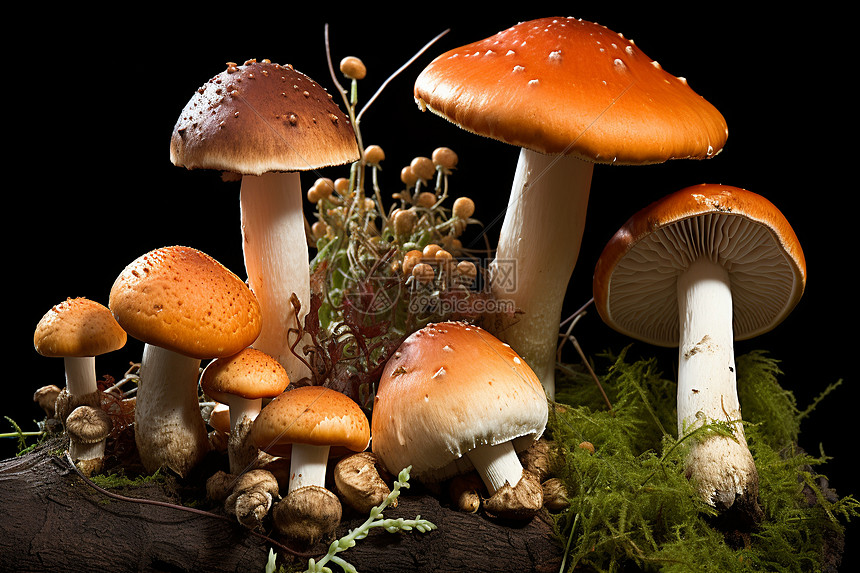
Recognizing these fungi involves noting several specific traits. They typically possess a substantial brown cap, which can measure anywhere from 3 to 12 inches across. A defining characteristic is the spongy layer of pores on the cap’s underside, which are initially white and mature to a yellowish-green hue, unlike the gills found on many other mushrooms. The stem is stout and often displays a delicate, net-like pattern near its apex.
Important Note: Positive identification is critical. Always cross-reference with authoritative guides or consult an expert before consuming any wild-harvested fungus, as some toxic varieties can resemble edible species.
Nutritional Profile and Wellness Benefits
Beyond their culinary appeal, these forest treasures offer notable nutritional value. They are a good source of plant-based protein, dietary fiber, and essential minerals such as selenium and potassium. They contain bioactive compounds and antioxidants that research suggests may contribute to reducing oxidative stress and supporting immune health. Their potential anti-inflammatory properties make them a valuable addition to a health-conscious diet.
In the Kitchen: Uses and Preparation
The application of these mushrooms in cooking is remarkably diverse. While sublime when fresh—simply sautéed with garlic, herbs, and a touch of butter—their flavor becomes profoundly concentrated when dried. Dried and reconstituted, they lend an intense, earthy depth to broths, risottos, pasta sauces, and stews. To reconstitute, soak dried pieces in warm water for 20-30 minutes, then strain the liquid (which is packed with flavor) through a fine cloth to remove grit before using.
Foraging and Seasonal Availability
The peak season for fresh specimens varies by climate but generally spans from late summer into autumn. They form mycorrhizal relationships with specific trees, including oaks, pines, and beeches. Successful foraging requires understanding this symbiotic partnership and recognizing the right forest habitats. Ethical harvesting practices, such as cutting the stem above the mycelium and using a mesh bag to allow spore dispersal, are crucial for sustainability.
Preserving Your Harvest
To enjoy the taste beyond the short fresh season, preservation is key. Drying is the most effective and popular method: slice cleaned mushrooms thinly and dry in a dehydrator or a very low oven until brittle. Once fully dried, store in airtight containers in a cool, dark place. They can also be gently sautéed and frozen, or preserved in oil or vinegar for different culinary applications.
A Global Ingredient
While intrinsically linked to Italian cooking (as porcini) and French cuisine (as cèpes), their use is worldwide. They appear in hearty Eastern European soups and dumplings, enhance the savoriness of British game pies, and are featured in the innovative plates of modern gastronomy. Their unique ability to impart umami makes them a secret weapon for enhancing vegetarian and vegan dishes.
Sustainability and Conservation
With growing popularity, the importance of responsible harvesting cannot be overstated. Over-foraging can deplete local populations and disrupt forest ecosystems. Many regions now implement permits, seasonal restrictions, and bag limits. Supporting local foragers who adhere to sustainable practices and exploring reputable sources for cultivated or imported dried products are excellent ways to enjoy them responsibly.
Selection and Storage Tips
When purchasing fresh, choose firm, dry caps with a smooth surface and a clean, earthy smell. Avoid any that are slimy, bruised, or have an ammoniacal odor. Store fresh mushrooms loosely in a paper bag in the refrigerator for up to to a week. For dried products, seek out bags with large, intact pieces and a potent, appealing aroma, keeping them sealed tightly in a cool, dark pantry.
Conclusion
Porcini mushrooms represent a pinnacle of flavor from the natural world. Their rich taste and versatile nature have secured their place in culinary traditions across continents. By seeking them out, preparing them thoughtfully, and always prioritizing sustainable practices, we can continue to savor this exceptional gift from the forest for generations to come.
Internal Links:
Learn more about mushroom foraging safety and ethicson our site.
External Links: