
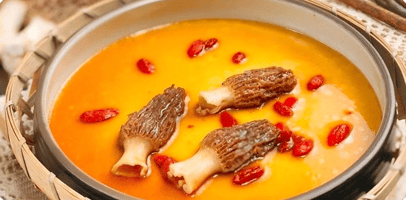
Porcini Mushrooms: A Journey From Forest Mycorrhiza to Gourmet Kitchens
Introduction: Porcini Mushrooms, scientifically known as Boletus edulis, have long reigned as one of the most prized wild edible mushrooms globally, earning nicknames like “King of Mushrooms” for their unparalleled flavor and texture.
For centuries, these fungi have been a staple in both rural foraging traditions and high-end culinary scenes, bridging the gap between humble forest harvests
and Michelin-starred creations. Unlike many wild mushrooms that demand complex preparation to mask undesirable notes, Porcini Mushrooms deliver a deep,
earthy umami that shines with minimal seasoning. This article explores the distinct traits of Porcini Mushrooms, their ecological habits, nutritional merits,
diverse culinary uses, and vital safety protocols for anyone looking to enjoy their unique offerings.
Porcini Mushrooms boast distinctive physical features that make them relatively easy to identify—when compared to other wild fungi—for experienced foragers.
Their caps, which can range from 5 to 25 centimeters in diameter (and occasionally grow larger in ideal conditions), start as a pale cream color in youth and
deepen to rich chestnut brown as they mature. The cap surface is smooth or subtly velvety, with a firm, fleshy texture that holds up well during cooking.
Below the cap, instead of the gills common in mushrooms like button or shiitake varieties, Porcini Mushrooms have a porous, sponge-like undersurface (called
a hymenophore) that is white when young and fades to a soft yellow-green with age. This porous structure is a key identifier, as is their thick, cylindrical stem—
typically white to light brown—adorned with a distinctive network of white or brown ridges (reticulation) near the top.
The growth and distribution of Porcini Mushrooms are closely tied to specific ecological conditions, particularly their symbiotic relationship with trees.
These fungi form mycorrhizal associations with the roots of coniferous and deciduous trees, including pine, spruce, oak, beech, and birch.
This symbiosis benefits both parties: the mushrooms receive sugars from the tree, while the tree gains enhanced access to water and minerals through the
mushroom’s extensive root-like hyphae. Due to this dependency, Porcini Mushrooms cannot be commercially cultivated on a large scale like many farmed
mushrooms. Instead, they are wild-harvested across temperate and boreal forests of the Northern Hemisphere, with hotspots in European countries like Italy,
France, and Spain—where they are deeply woven into culinary heritage. In North America, they thrive in the Pacific Northwest, northeastern states, and Canadian
forests, with harvest seasons typically spanning late summer to early winter, triggered by cool temperatures and consistent rainfall.
Beyond their culinary appeal, Porcini Mushrooms offer impressive nutritional benefits that add to their allure.
They are low in calories, with just 30-35 calories per 100 grams of fresh mushrooms, making them a light yet satisfying addition to meals. They are also a rich
source of dietary fiber, which supports digestive health and helps promote feelings of fullness. For plant-based eaters, Porcini Mushrooms are a valuable
protein source, containing 3-4 grams of protein per 100 grams—surpassing many leafy greens. They are packed with essential minerals, including potassium
(which supports heart health and blood pressure regulation), magnesium (critical for muscle and nerve function), and selenium (a powerful antioxidant that
boosts immune system health). Additionally, they provide B vitamins such as riboflavin (vitamin B2) and niacin (vitamin B3), which play key roles in energy
metabolism and skin health.
The culinary versatility of Porcini Mushrooms is a major reason for their enduring popularity.
Their meaty, dense texture stands up to a wide range of cooking methods, from quick sautéing to slow braising.
Fresh Porcini Mushrooms are often prepared simply to let their natural flavor take center stage: sliced thin and sautéed in butter with garlic and fresh thyme,
then served as a side dish, tossed with al dente pasta, or sprinkled over grilled meats.
They also elevate hearty dishes like stews, casseroles, and risottos,
infusing each bite with deep umami richness. Dried Porcini Mushrooms are equally cherished, as the drying process concentrates their flavor—making them a
pantry staple for chefs and home cooks alike. To use dried Porcini, they are rehydrated in hot water or broth (the soaking liquid itself becomes a flavorful base
for soups or sauces) and added to dishes like gravies, stuffings, or mushroom tarts. In Italian cuisine, they star in risotto ai funghi porcini and pappardelle al
ragù di funghi, while French recipes often pair them with game meats or incorporate them into savory tarts.
Foraging for Porcini Mushrooms is a beloved tradition, but it carries significant safety risks that cannot be overlooked.
The primary danger is misidentification, as Porcini Mushrooms share similarities with several toxic species, including the deadly Boletus satanas (devil’s bolete) and the toxic Boletus rubriceps (ruby
porcini). Key safety checks include examining the color of the pores and stem: genuine Porcini never have red or orange hues on their pores or stem bases,
while toxic look-alikes often do. The porous surface of Porcini should also remain white to yellow-green—avoid any mushrooms with red, brown, or black pores.
Aspiring foragers must always learn from experienced local foragers or mycologists, attend guided foraging tours, and use reputable identification guides.
Even when foraging with knowledge, it is critical to only consume mushrooms from trusted sources, as wild Porcini can absorb heavy metals or pesticides from
polluted soil or water.
Proper handling and storage are essential to preserving the flavor and quality of Porcini Mushrooms.
Fresh specimens should be cleaned gently—never soaked in water, as this will make them waterlogged and dilute their flavor. Instead, use a soft brush to
remove dirt or wipe them with a damp paper towel. Fresh Porcini are best eaten within 1-2 days of harvest or purchase, but they can be preserved by drying or
freezing. Drying is the most common method: slice the mushrooms thinly and dry them in a low-temperature oven or food dehydrator until crisp, then store in
an airtight container in a cool, dark place—they will retain their flavor for up to a year. When freezing, sauté the sliced mushrooms briefly in butter or oil to lock in
moisture, then freeze in airtight bags for up to six months.
In conclusion, Porcini Mushrooms are more than just a food—they are a cultural and ecological icon.
Their unique flavor, meaty texture, and nutritional benefits have secured their place in global cuisine, while their symbiotic relationship with forest ecosystems
highlights their ecological importance. Whether enjoyed fresh from a trusted market or dried from a well-stocked pantry, Porcini Mushrooms offer a taste of the
wild that is unmatched by cultivated varieties. By respecting their natural habitat, following strict safety guidelines, and using proper preparation techniques,
food lovers can continue to savor the timeless appeal of the “King of Mushrooms.”