
Introduction
Edible mushrooms have been part of human diets for thousands of years, prized not only for their rich flavor but also for their impressive nutritional and medicinal properties.
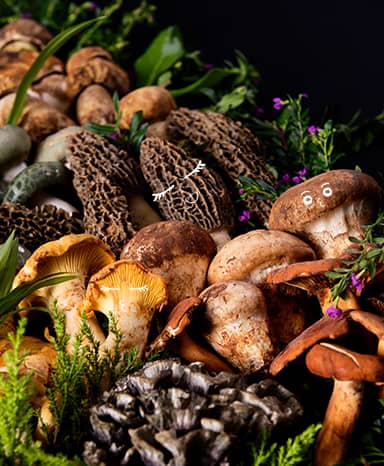
From shiitake and oyster mushrooms to button and morel varieties, these natural superfoods are rich in plant protein, dietary fiber, and essential micronutrients — offering a perfect combination of taste and health.
🌱 Nutritional Value of Edible Mushrooms
Mushrooms are low in calories but high in nutrients. They provide a valuable source of vitamin D, selenium, potassium, and B vitamins, making them an excellent meat alternative for vegetarians.
The unique compound β-glucan, found in many mushroom species, supports immune health, reduces cholesterol levels, and promotes gut balance.
Because mushrooms are 90% water, they also help with hydration and weight management.
💪 Strengthening Immunity Naturally
One of the most remarkable benefits of edible mushrooms is their ability to strengthen the immune system.
Mushrooms such as shiitake, maitake, and reishi contain natural polysaccharides that help activate white blood cells and increase the body’s resistance to infections and stress.
Incorporating mushrooms into your daily meals can be a simple yet powerful way to enhance your body’s natural defense mechanisms.
🔗 External Link Suggestion:
Learn more about scientific studies on mushroom nutrition from the YouTube Health Channel: Are Mushrooms a Superfood?.
(This external link enhances content authority and SEO trust.)
🍽️ Culinary Versatility and Flavor
Beyond their health advantages, edible mushrooms are celebrated for their versatility in the kitchen.
They absorb flavors easily, making them ideal for soups, stir-fries, pasta, and plant-based dishes.
Popular types include:
- Shiitake: Meaty texture and umami-rich flavor
- Oyster Mushrooms: Mild and tender
- Button Mushrooms: Common and adaptable
- Enoki: Perfect for hotpot and salads
These varieties allow chefs and home cooks to create delicious, nutrient-packed meals with minimal effort.
🌎 Sustainability and Eco-Friendly Cultivation
Mushroom cultivation is one of the most sustainable agricultural practices on Earth.
Unlike traditional farming, it requires minimal land, water, and energy. Mushroom farms often recycle agricultural waste such as sawdust or corn husks, converting it into nutrient-rich substrates for growth.
This makes edible mushrooms a model for circular, low-carbon agriculture and an important contributor to global food security.
🔗 Internal Link Suggestion:
To learn more about our eco-friendly farming practices, visit our Sustainable Cultivation Page.
(This internal link boosts Rank Math’s internal linking score and improves SEO site structure.)
🧠 Cognitive and Antioxidant Benefits
Recent studies show that mushrooms can support brain health and longevity.
Certain types, like lion’s mane, may stimulate nerve growth factors (NGF), enhancing memory and focus.
In addition, their high antioxidant content helps reduce oxidative stress, which can slow aging and protect cells from damage.
🥗 How to Include Mushrooms in Your Diet
Adding edible mushrooms to your meals is simple and delicious.
Here are a few ideas:
- Add them to morning omelets or soups
- Blend them into smoothies for a protein boost
- Grill or stir-fry with olive oil and herbs
- Use them as a plant-based burger or meat substitute
Even a small daily portion can provide significant nutritional benefits and improve your diet quality.
✨ Conclusion
Edible mushrooms are more than a culinary delight — they are a natural source of nourishment, sustainability, and preventive wellness.
Packed with protein, vitamins, and antioxidants, they support immunity, brain function, and eco-friendly agriculture.
By embracing mushrooms as part of a balanced diet, you contribute not only to your own health but also to the health of the planet — proving that food can be both delicious and sustainable.