
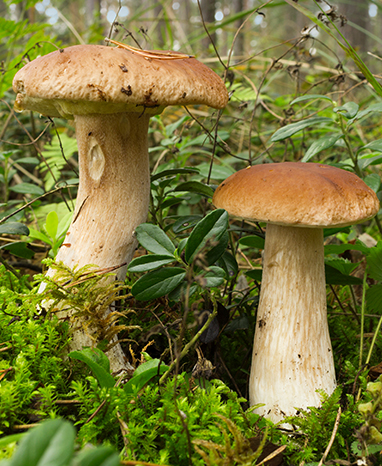
For centuries, foragers and chefs have held a special place in their pantries and hearts for the porcini mushroom. Known scientifically as Boletus edulisand often referred to as the king bolete, this fungus is a cornerstone of culinary traditions across Europe and beyond. Its rich, nutty flavor and meaty texture elevate simple dishes into gourmet experiences. This guide explores what makes this ingredient so extraordinary, from its forest origins to its place in fine dining.
From Forest Floor to Fine Dining
The journey of the porcini begins in the dappled sunlight of coniferous and deciduous forests. Forming a symbiotic relationship with tree roots, it thrives in specific ecosystems, typically appearing in late summer and early autumn. Fresh specimens are prized, but the mushroom’s character transforms beautifully when dried, concentrating its umami essence into a powerful culinary tool. A simple risotto or pasta dish is instantly deepened with their presence. Their robust structure also makes them excellent for sautéing, grilling, or featuring as the star of a creamy soup.
A Nutrient Powerhouse
While celebrated for taste, this forest treasure is also a commendable source of nutrition. It provides a good amount of dietary fiber, protein, and essential minerals like potassium and selenium. It is also low in fat and calories, making it a valuable addition to a balanced diet. Like all wild-gathered foods, responsible sourcing is paramount. Sustainable harvesting practices ensure that these natural wonders can be enjoyed by future generations.
Culinary Tips and Preparation
To unlock the full potential of porcini, proper handling is key. Fresh mushrooms should be firm and dry; a damp sponge is best for gently removing any soil or pine needles, as soaking in water can make them soggy. Slicing them allows their surface to caramelize beautifully in a hot pan with butter or oil. For dried porcini, rehydrating them in warm water creates not only tender morsels but also a deeply flavorful soaking liquid that should never be discarded—it’s liquid gold for sauces, broths, and stews.
Want to explore more exquisite ingredients for your kitchen? Discover the subtle profiles of various gourmet staples in our guide to premium pantry items.
For detailed, scientific information on fungal species and their habitats, a valuable resource is the Royal Botanic Gardens, Kew’s Fungus Portal.