
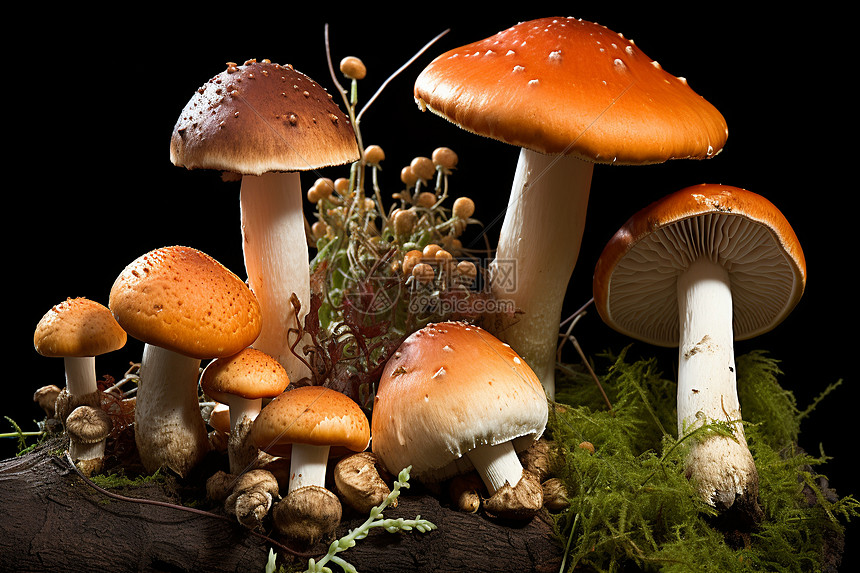
Introduction to Mushrooms
Mushrooms have been an important part of human diets for centuries. Known for their unique flavor and impressive nutritional value, mushrooms are widely
used in cuisines across the world. From gourmet restaurants to home kitchens, this natural ingredient has gained popularity not only for its taste but also for its
health benefits.
Today, many people are paying more attention to healthy eating and sustainable food sources. Because of their low calories and high nutrient content,
mushrooms are increasingly recognized as a valuable addition to a balanced diet.
Nutritional Value of Mushrooms
One of the reasons mushrooms are so popular is their rich nutritional profile. They contain essential vitamins and minerals that support overall health.
Key nutrients include:
- B vitamins such as riboflavin and niacin
- Vitamin D (in certain varieties)
- Selenium and potassium
- Dietary fiber and antioxidants
Despite being nutrient-dense, mushrooms are naturally low in fat and calories. This makes them an excellent ingredient for people who want to maintain a
healthy lifestyle without sacrificing flavor.
Culinary Uses of Mushrooms
In the culinary world, mushrooms are highly versatile. Their savory, umami flavor enhances many dishes, including soups, pasta, sauces, and stir-fries.
Some popular cooking methods include:
- Sautéing with garlic and herbs
- Grilling for a smoky flavor
- Adding them to soups and stews
- Using them as a meat substitute in vegetarian recipes
Because of their texture and flavor, mushrooms are also commonly used in plant-based diets as an alternative to meat.
Sustainability and Environmental Benefits
Another reason mushrooms are gaining attention is their sustainability. Compared with many other foods, they require less land and water to grow. They can
also be cultivated using agricultural by-products, which reduces waste and promotes environmentally friendly farming practices.
This efficient growing process makes mushrooms a promising food source for the future, especially as the world looks for more sustainable ways to produce
nutritious foods.
Conclusion
From their rich nutritional profile to their culinary versatility, mushrooms have earned their place as one of the most valuable foods in modern diets.
They support healthy eating habits while also contributing to more sustainable food systems.
Whether used in traditional recipes or modern plant-based dishes, mushrooms continue to inspire chefs and home cooks alike.
External Link: Learn more about mushroom nutrition at https://www.mushroomcouncil.com
Internal Link: Read more articles about edible fungi on your website’s mushroom category page.