
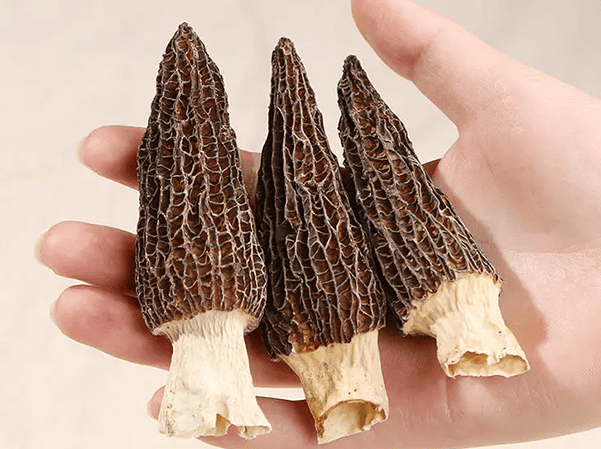
Porcini Mushrooms: From Forest Floors to Gourmet Plates
Introduction: Among the vast array of wild edible mushrooms, porcini mushrooms (scientific name: Boletus edulis) stand in a league of their own, earning the
title “King of Mushrooms” for their rich flavor, meaty texture, and culinary versatility. These iconic fungi have been cherished by foragers and chefs for
centuries, gracing tables from rural European cottages to Michelin-starred restaurants. Unlike many wild mushrooms that require careful preparation to mask
bitterness or sliminess, porcini offer an intense, earthy umami taste that needs little enhancement. This article delves into the world of porcini mushrooms,
exploring their biological characteristics, global distribution, nutritional benefits, culinary applications, and critical safety guidelines for foraging and
consumption.
Porcini mushrooms are easily recognizable by their distinct physical traits, which set them apart from other wild fungi.
They feature a thick, fleshy cap that ranges in color from pale beige to deep chestnut brown, often growing 5 to 25 centimeters in diameter—though exceptional specimens can reach 30
centimeters or more. The cap’s surface is smooth or slightly velvety, and it sits atop a robust, cylindrical stem that is white to light brown, marked with a
distinctive network of white or brownish ridges (reticulation) near the top. Unlike gilled mushrooms, porcini have a porous undersurface (hymenophore) that is
white when young, turning yellowish-green as they mature. This porous structure is a key identifying feature, as it distinguishes them from toxic look-alikes.
Geographically, porcini mushrooms have a broad distribution, thriving in temperate and boreal forests across the Northern Hemisphere. They are most
abundant in Europe—particularly in the pine and oak forests of Italy, France, Spain, and Eastern Europe—where they have been a culinary staple for millennia.
In North America, they grow in coniferous and mixed forests from the Pacific Northwest to the northeastern United States and Canada. Porcini form a
symbiotic (mycorrhizal) relationship with the roots of certain trees, including pine, spruce, oak, beech, and birch, meaning they cannot be cultivated on a large
commercial scale like button or shiitake mushrooms. Instead, they are primarily foraged in the wild, with their harvest season varying by region—typically late
summer to early winter, following periods of rain and cool temperatures.
Beyond their culinary appeal, porcini mushrooms boast an impressive nutritional profile that adds to their allure.
They are low in calories (approximately 30 calories per 100 grams of fresh mushrooms) and high in dietary fiber, which supports gut health and promotes satiety. Porcini are an excellent source of plant-
based protein, containing about 3-4 grams per 100 grams—making them a valuable addition to vegetarian and vegan diets. They are also rich in essential
minerals, including potassium (which aids in blood pressure regulation), magnesium (critical for muscle and nerve function), and selenium (a potent antioxidant
that supports immune health). Additionally, porcini provide B vitamins such as riboflavin and niacin, which play key roles in energy metabolism and skin health.
The culinary versatility of porcini mushrooms is unmatched, making them a favorite among chefs worldwide. Their meaty texture holds up well to various
cooking methods, from sautéing and roasting to braising and drying. Fresh porcini are often simply prepared to let their natural flavor shine—sautéed in butter
with garlic and herbs, then served as a side dish or tossed with pasta. They also elevate sauces, stews, and risottos, infusing dishes with their deep umami
richness. Dried porcini are equally prized, as the drying process concentrates their flavor; they are rehydrated in hot water (which itself becomes a flavorful
stock) and used in soups, gravies, and meat dishes. In Italian cuisine, porcini are a key ingredient in dishes like risotto ai funghi porcini and tortellini con funghi,
while in French cooking, they are paired with game meats and incorporated into pâtés.
Foraging for porcini mushrooms is a beloved tradition, but it comes with critical safety considerations.
The primary risk is misidentification, as porcini resemble
several toxic species, including the deadly Boletus satanas (devil’s bolete) and Boletus rubriceps (ruby porcini). Key distinguishing features to look for include
the absence of red coloration on the stem or pores (toxic species often have red or orange hues) and the white-to-yellowish porous surface (toxic varieties may
have red or brown pores). Aspiring foragers should always consult with experienced local foragers or mycologists, attend guided foraging tours, and use
reliable identification guides. It is also essential to only consume mushrooms from trusted sources, as wild porcini can absorb heavy metals or pesticides from
polluted environments.
Proper handling and storage are crucial to preserving porcini’s flavor and quality. Fresh porcini should be cleaned gently—brushed with a soft brush or wiped
with a damp cloth to remove dirt, as soaking can make them waterlogged and dilute their flavor. They are best consumed within 1-2 days of harvesting or
purchasing, but can be dried or frozen for long-term storage. Dried porcini should be stored in an airtight container in a cool, dark place, where they can retain
their flavor for up to a year. When rehydrating, the soaking liquid should be strained through a fine sieve to remove any sediment and used in cooking to
maximize flavor.
In conclusion, porcini mushrooms are more than just a wild edible—they are a culinary treasure with a rich history and exceptional qualities. Their meaty texture,
intense flavor, and nutritional benefits have earned them a revered place in global cuisine, while their symbiotic relationship with forest ecosystems highlights
their ecological importance. Whether foraged from the wild (with caution) or purchased from specialty markets, porcini offer a taste of the forest that is
unmatched by cultivated mushrooms. By following safety guidelines and proper preparation techniques, food lovers can fully savor the unique charm of the
“King of Mushrooms.”